Everything Water
The counter-intuitive facts about how water impacts livelihoods everywhere.
Hidden Connections
Discover how water connects every aspect of human civilisation, from economics to geopolitics.
Innovation Frontiers
Explore cutting-edge technologies and solutions that are reshaping our relationship with water.
Global Impact
Understand how water scarcity and innovation affect communities worldwide.
What Water Decides
Stability, rights, who ends up paying the most, and who is put at risk fetching it.

The Real Water Risk Isn't Drought, It's Disruption.
Insurance losses from water-related events now outpace fire and wind in many markets.
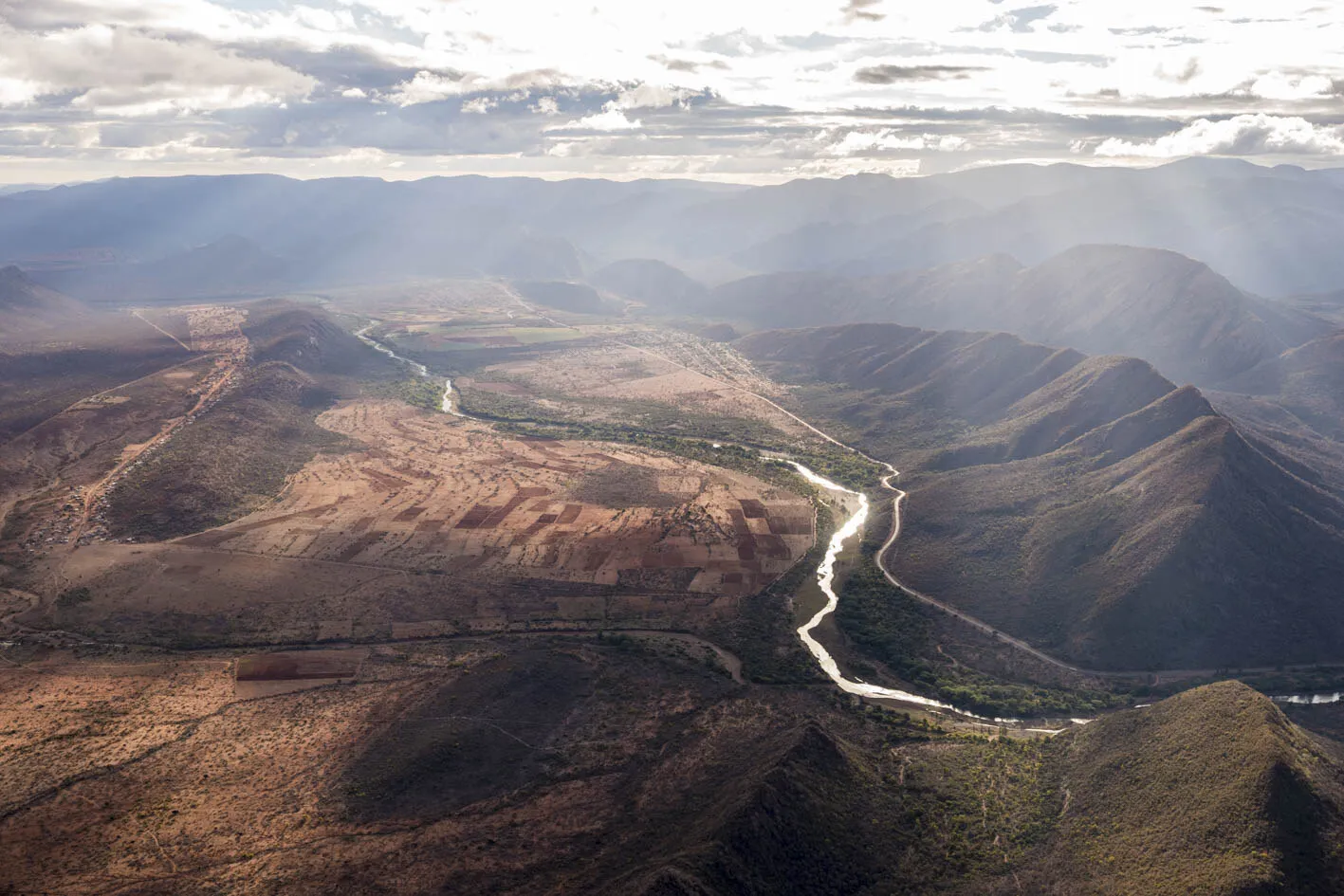
Photo © Florian Wagner Water Will Define Global Stability More Than Energy This Century.
From Nile Basin politics to Himalayan meltwater to Gulf desalination, next-generation geopolitics will be blue rather than black: water rather than oil.
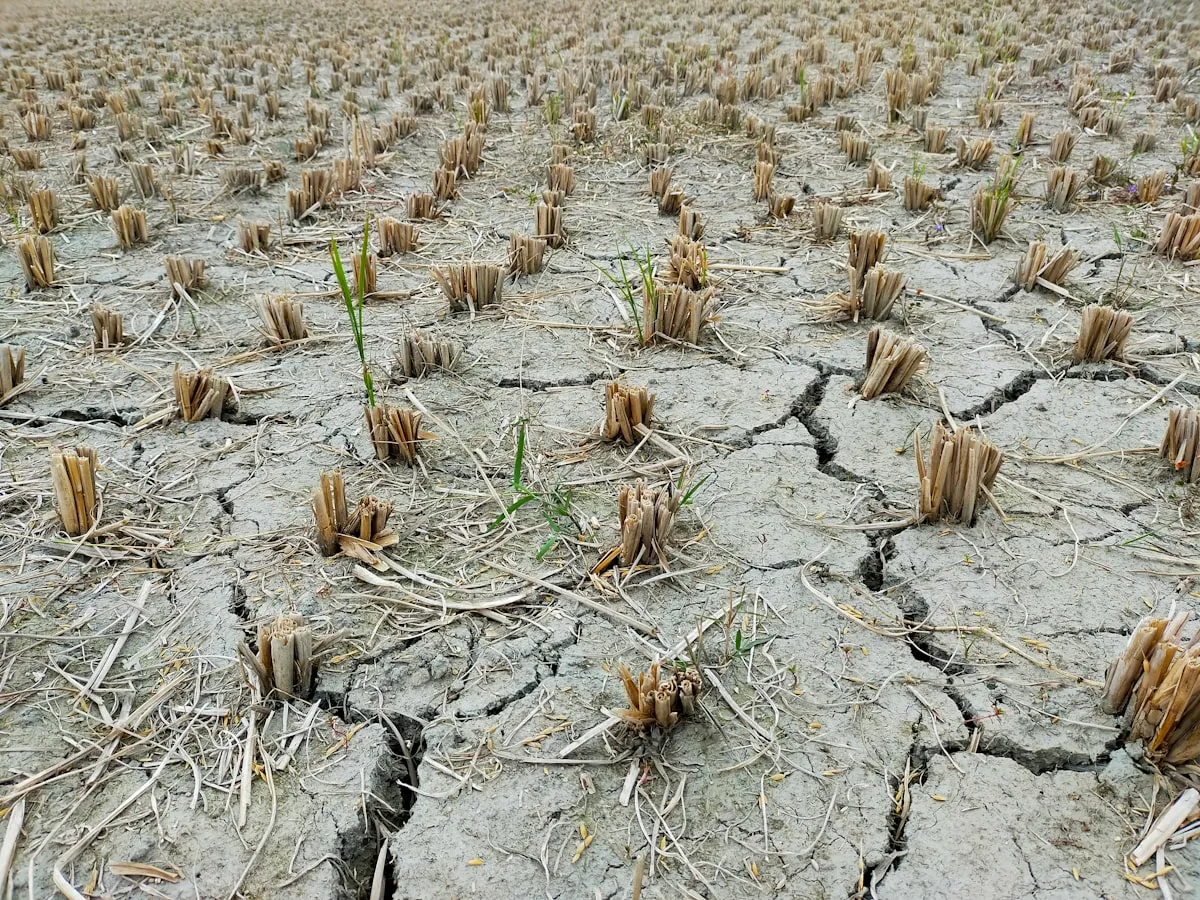
Water Stress Increases the Risk of State Failure and Conflict.
The World Bank's High and Dry finds that changes in water availability and variability can induce migration and ignite civil conflict, that food price spikes caused by droughts inflame latent conflicts, and that rainfall shocks strain government budgets until capacity and popularity decline and regime change becomes more likely. It calls water scarcity a conflict risk multiplier in some cases rather than a cause of war between states, which it says rarely, if ever, fight over water alone.
World Bank, 2016
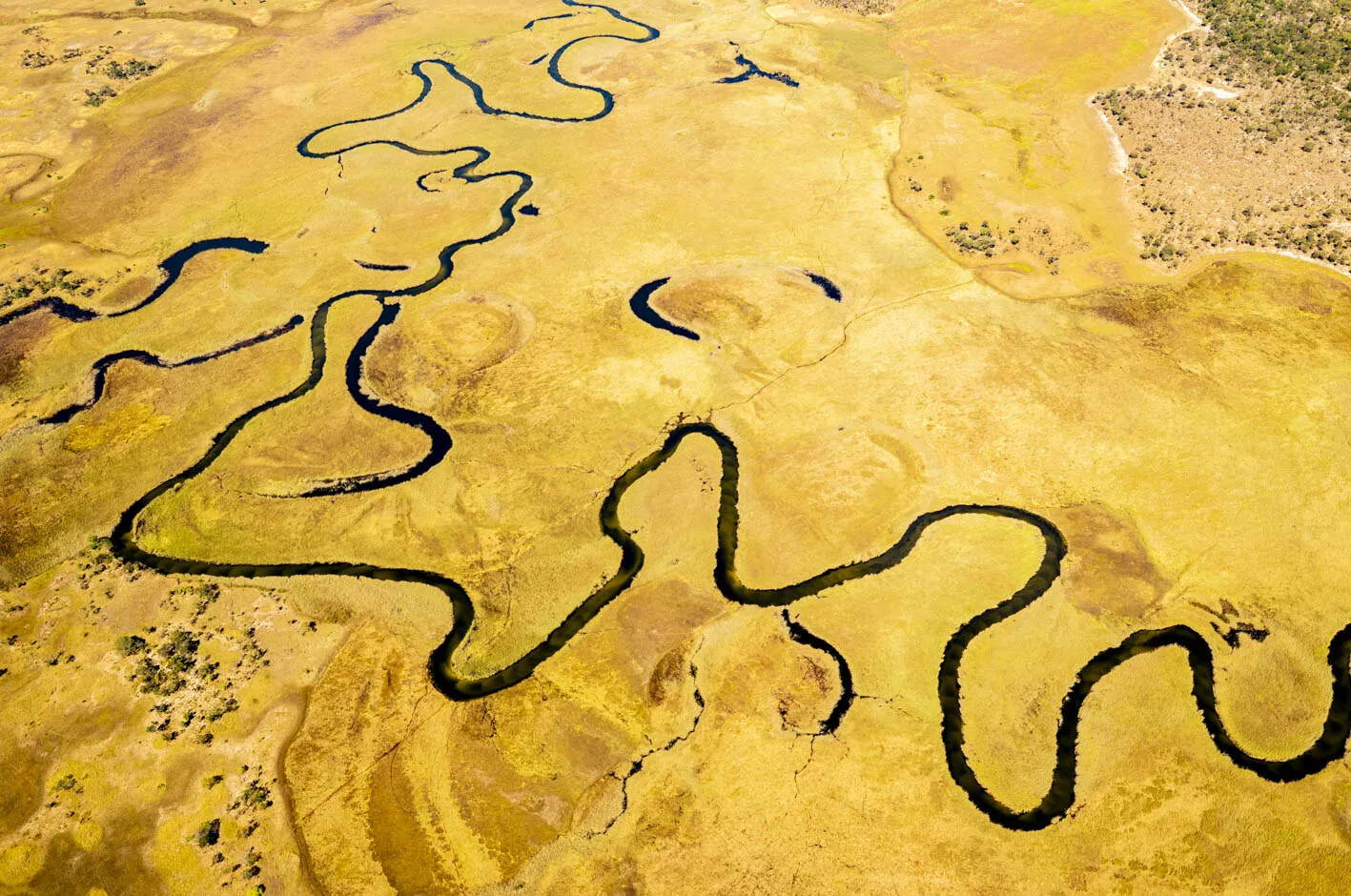
Photo © Florian Wagner Water Can Be More Politically Sensitive Than Oil.
Water-sharing treaties, such as the Indus Waters Treaty between India and Pakistan, have remained intact even during periods of military conflict.
Water Tech Adoption Is Slower Than Mobile Phone Penetration.
In some regions, more people have access to smartphones than to safely managed drinking water or sanitation.
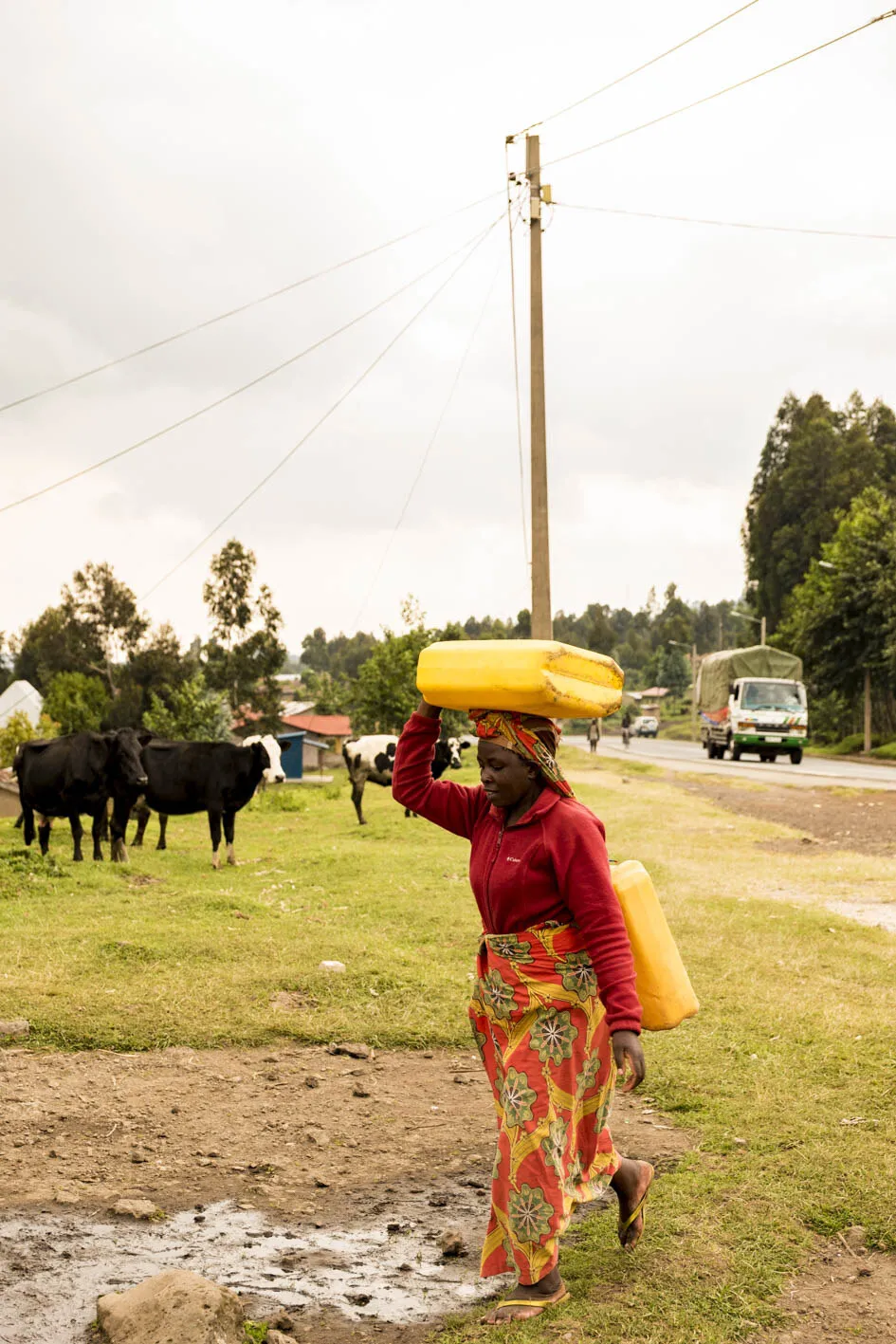
Photo © Florian Wagner Water Insecurity Drives Gender-Based Violence.
Women collecting water face increased risk of harassment and violence, particularly in displaced or conflict-affected settings.
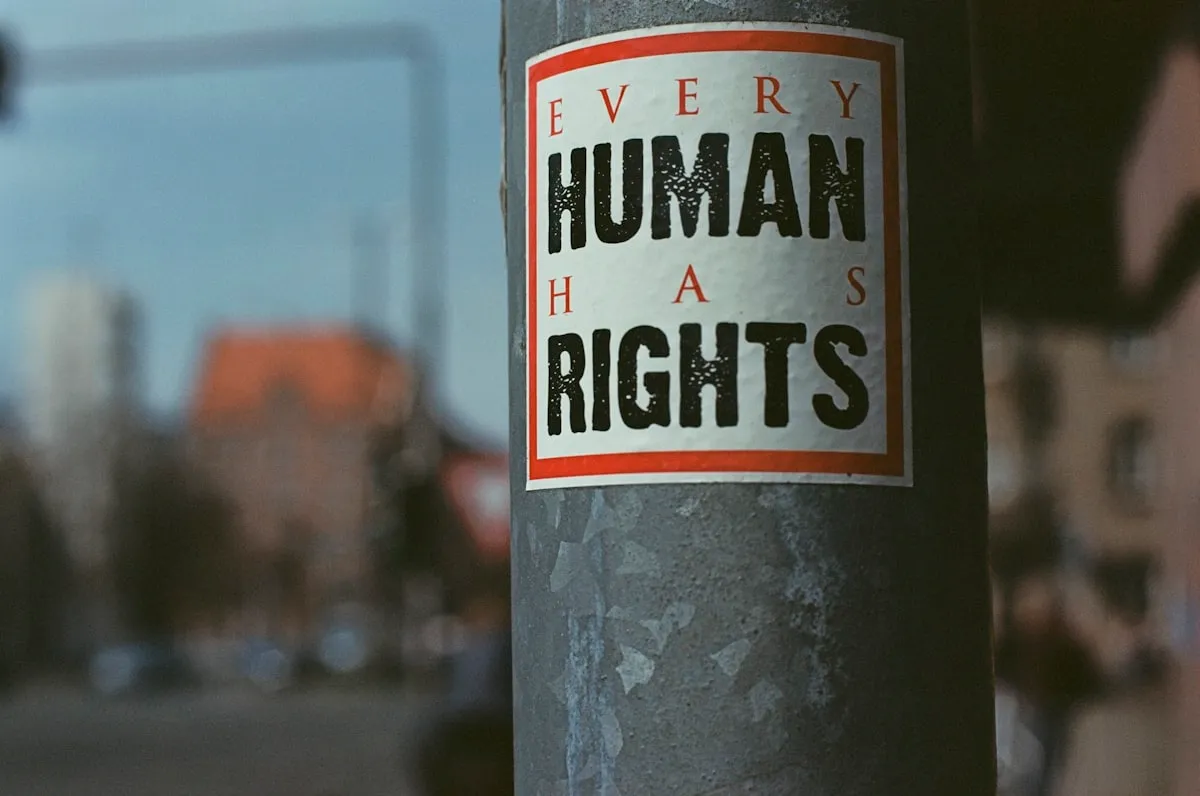
Water Isn't Just a Resource: It's a Human Right.
The UN formally recognised access to clean water and sanitation as a human right in 2010, but billions still lack basic access.
United Nations, 2010
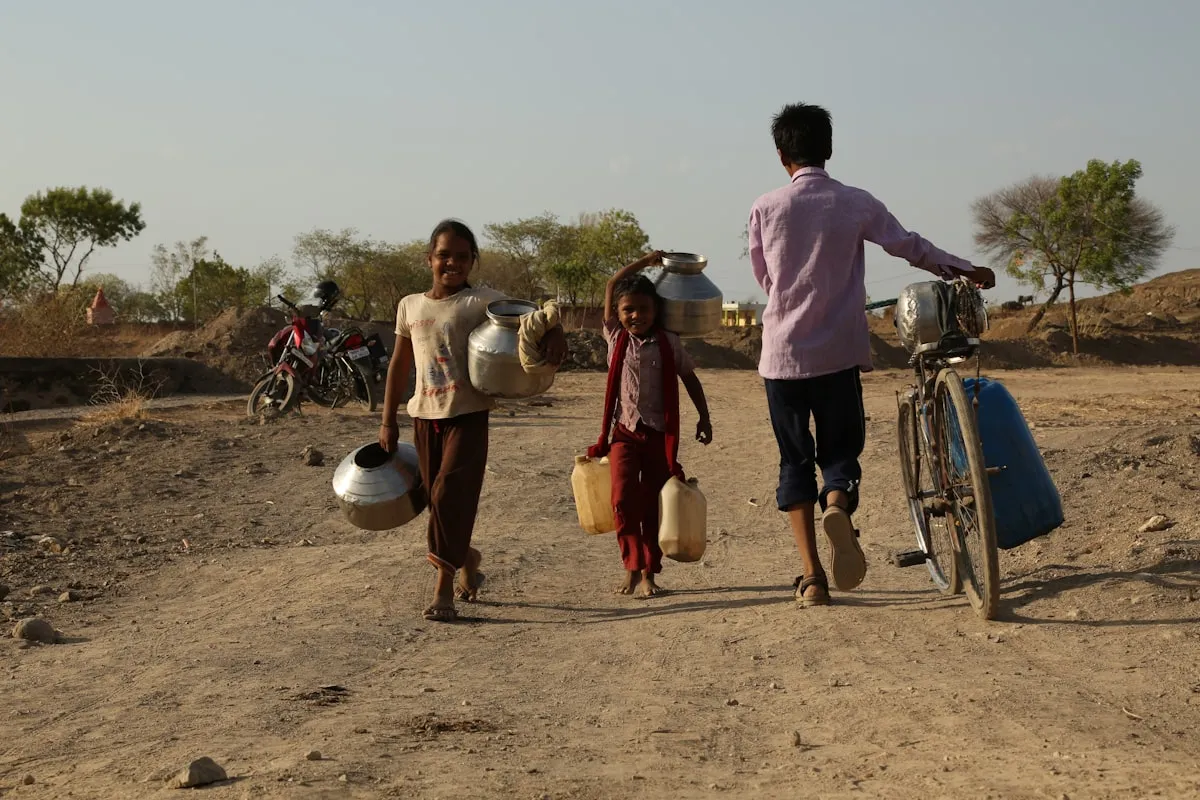
The Poorest Often Pay the Most for Water.
Informal urban residents can pay 10 to 50 times more per litre than wealthier residents connected to public systems.
UNDP, 2006
What Unsafe Water Does
The health of the people who drink it, and what treatment leaves behind.
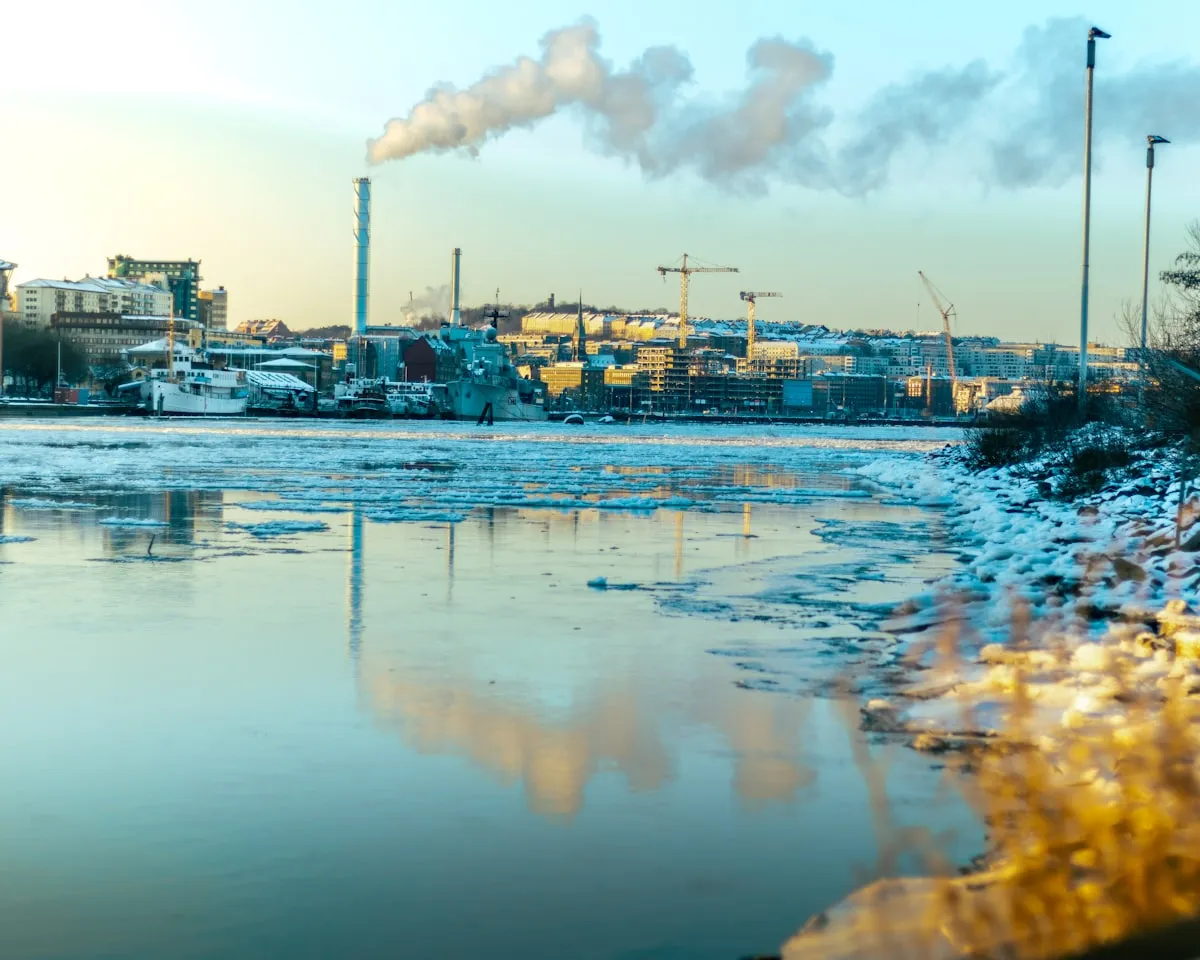
Water Pollution Is Often Invisible, but Deadly.
Nitrate, arsenic, and pharmaceutical contamination are widespread, yet largely undetectable without lab testing, even in treated water.

Most Water-Related Deaths Aren't From Thirst, but From Preventable Disease.
WHO's burden of disease update for 2019 splits the diarrhoeal toll three ways: 505,000 deaths from unsafe drinking water, 564,000 from unsafe sanitation and 384,000 from unsafe hand hygiene. Of the 395,000 deaths of children under five it attributes to water, sanitation and hygiene, 273,000 were from diarrhoea.
World Health Organization, 2023
Clean Water Doesn't Always Mean Safe Water.
Treated water may still contain PFAS, microplastics, or resistant bacteria not yet fully regulated.
World Health Organization; Environmental Working Group
Photo © Florian Wagner More People Die From Unsafe Water Than From All Forms of Violence.
Unsafe water and poor sanitation cause more deaths annually than war, terrorism, and homicide combined.
Where the Water Goes
Where it is lost, and what it is spent on before anyone drinks it.
The Majority of Rain Never Reaches Aquifers or Reservoirs.
Over 60% of rainfall is lost to runoff, evaporation, or immediate use, making rainwater harvesting and recharge critical in water-scarce zones.
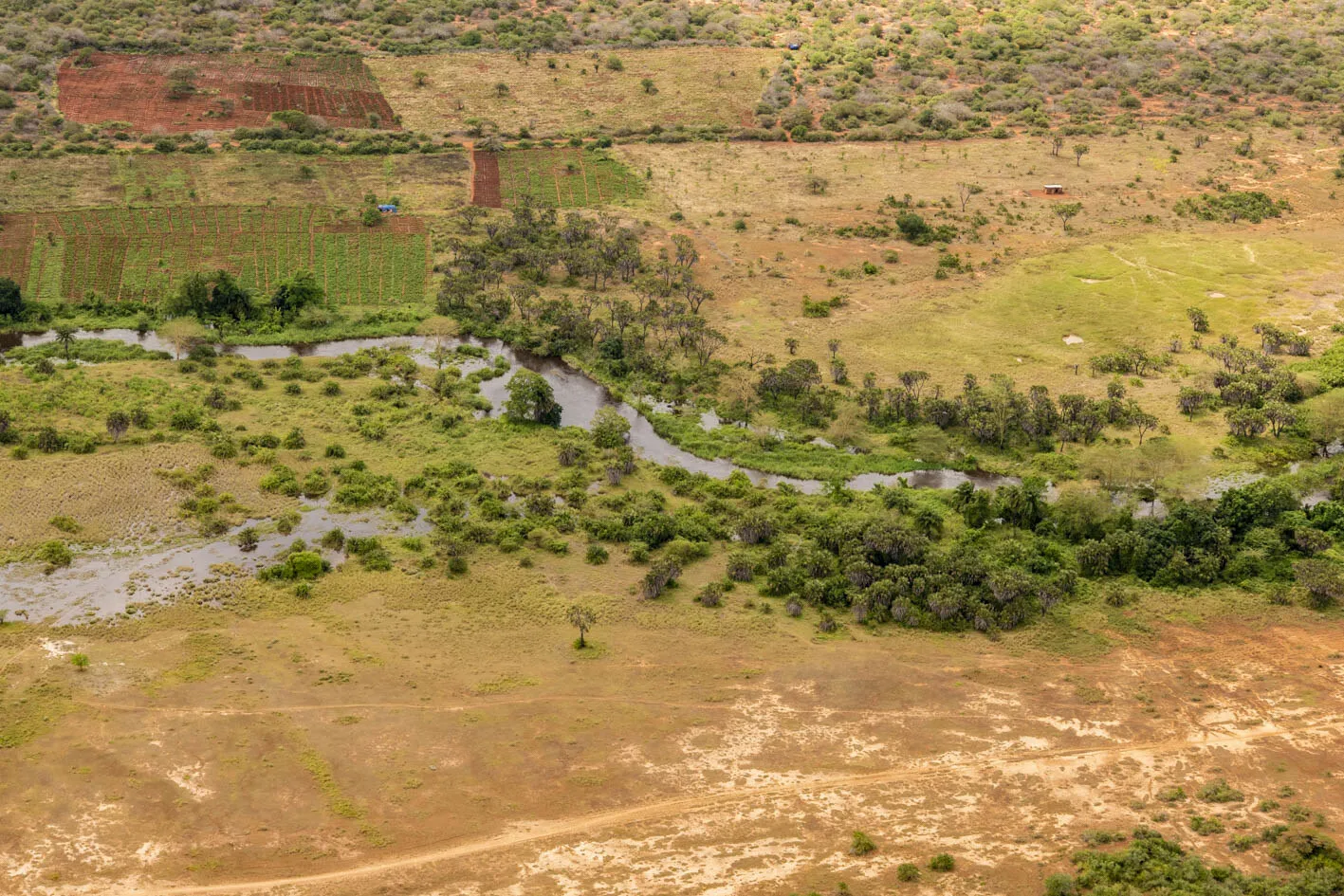
Photo © Florian Wagner Agriculture Wastes More Water Than All Cities Combined.
Up to 60% of irrigation water is lost due to inefficient methods like flood irrigation. Precision agriculture adoption remains low in most regions.
FAO
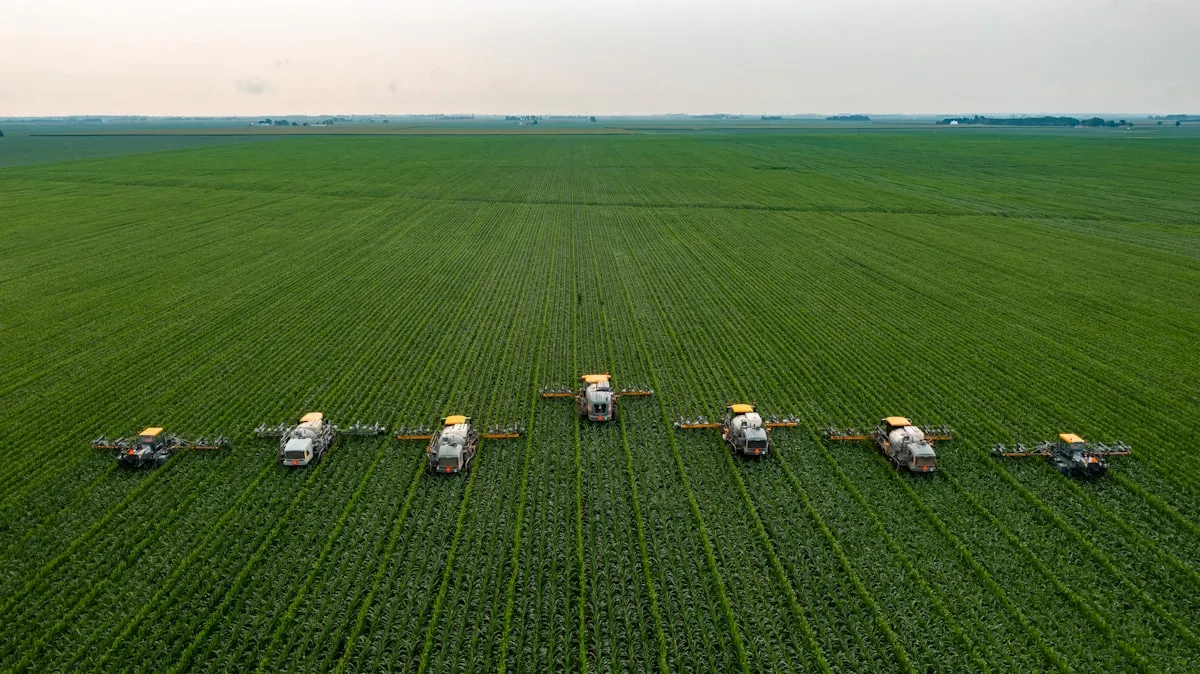
More Water Is Exported Invisibly Than Visibly.
Countries export billions of litres of virtual water via food, clothing, and industrial goods. One kilogram of beef takes about 15,000 litres; one cotton shirt about 2,700.
Water Footprint Network
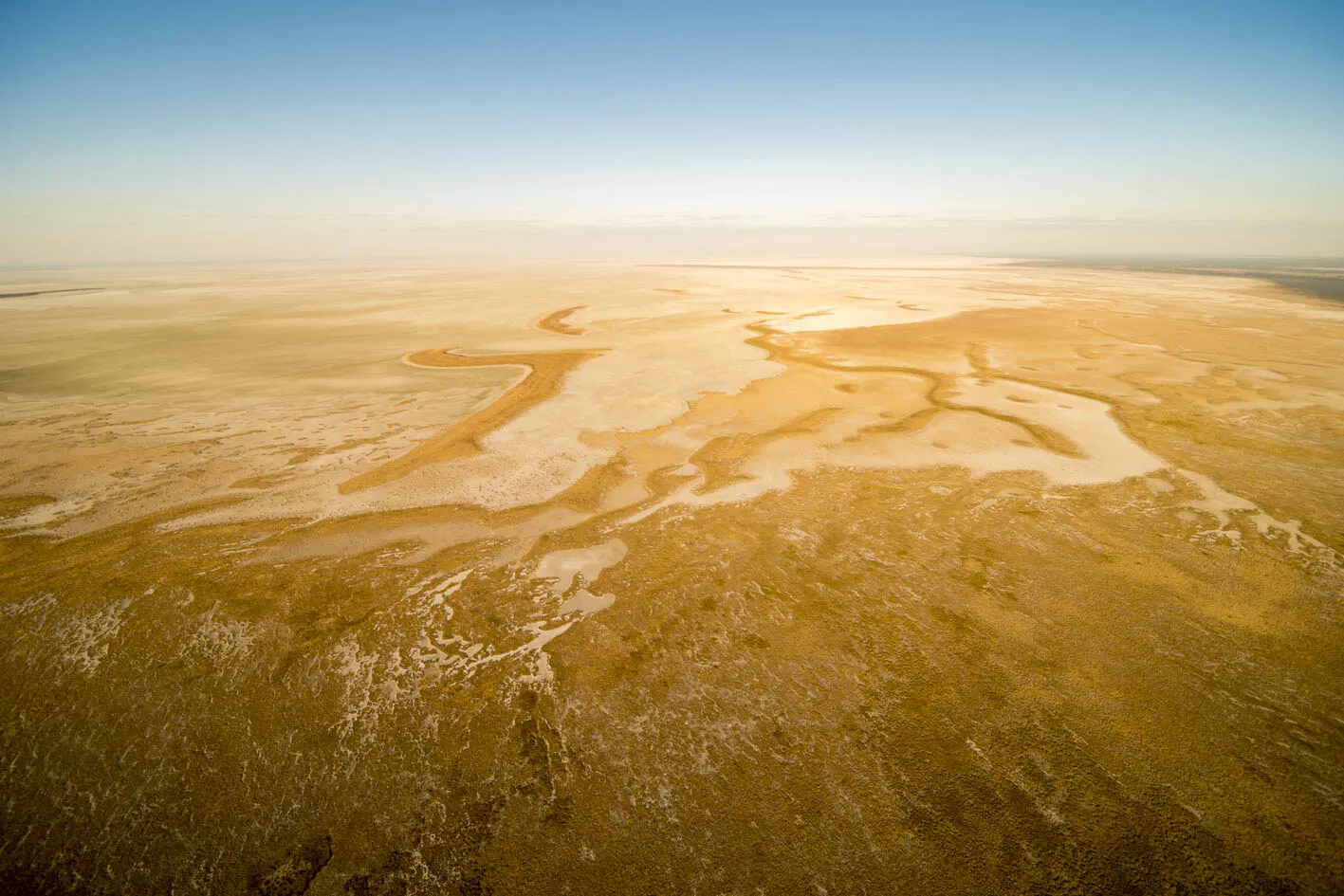
Photo © Florian Wagner High-Income Countries Waste Far More Water Than Low-Income Ones.
The average American uses over 300 litres a day; the average German, just about 120 litres.
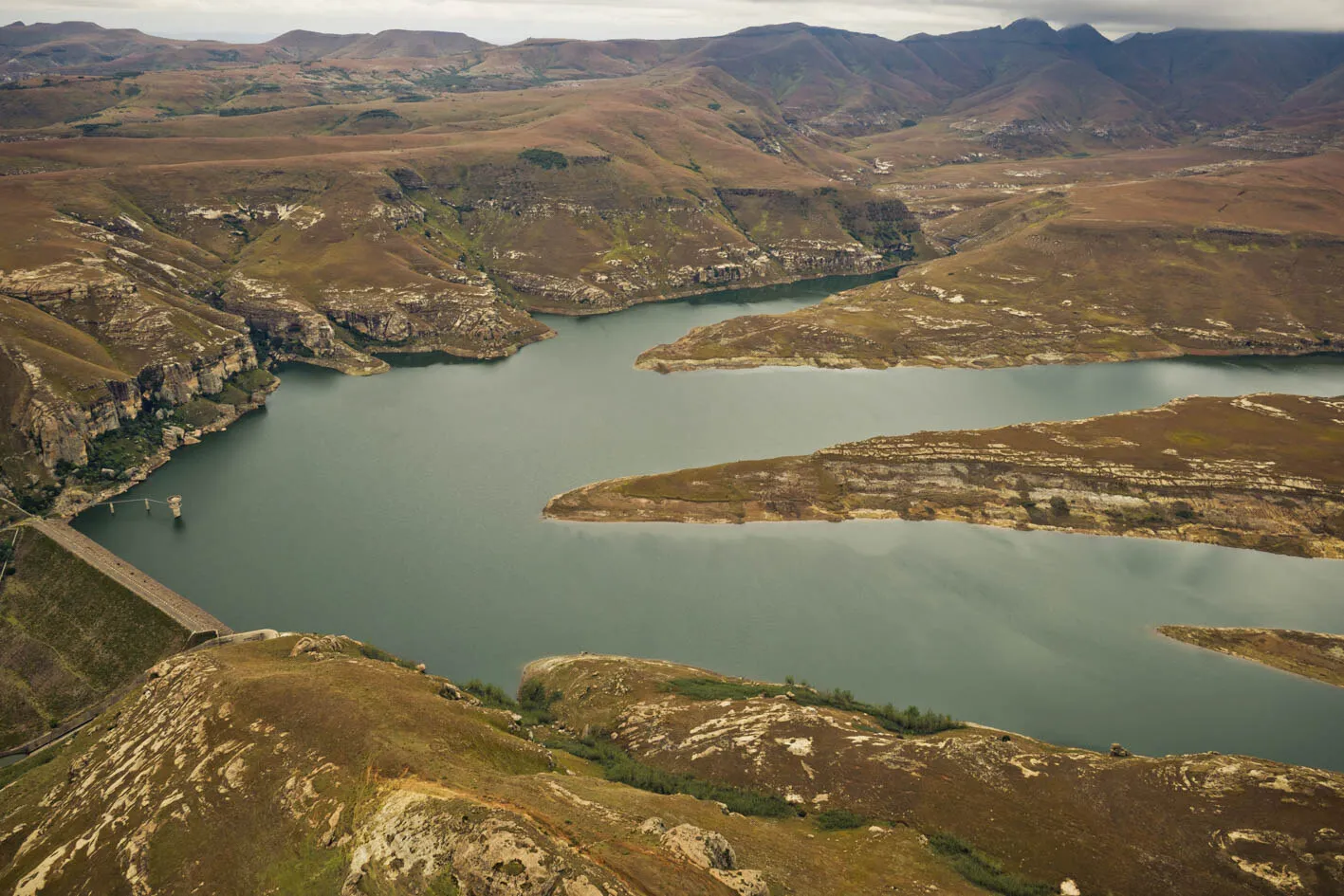
Photo © Florian Wagner Water Systems Consume Surprising Amounts of Energy.
Up to 15% of electricity in some countries is used to extract, treat, and pump water.
International Energy Agency
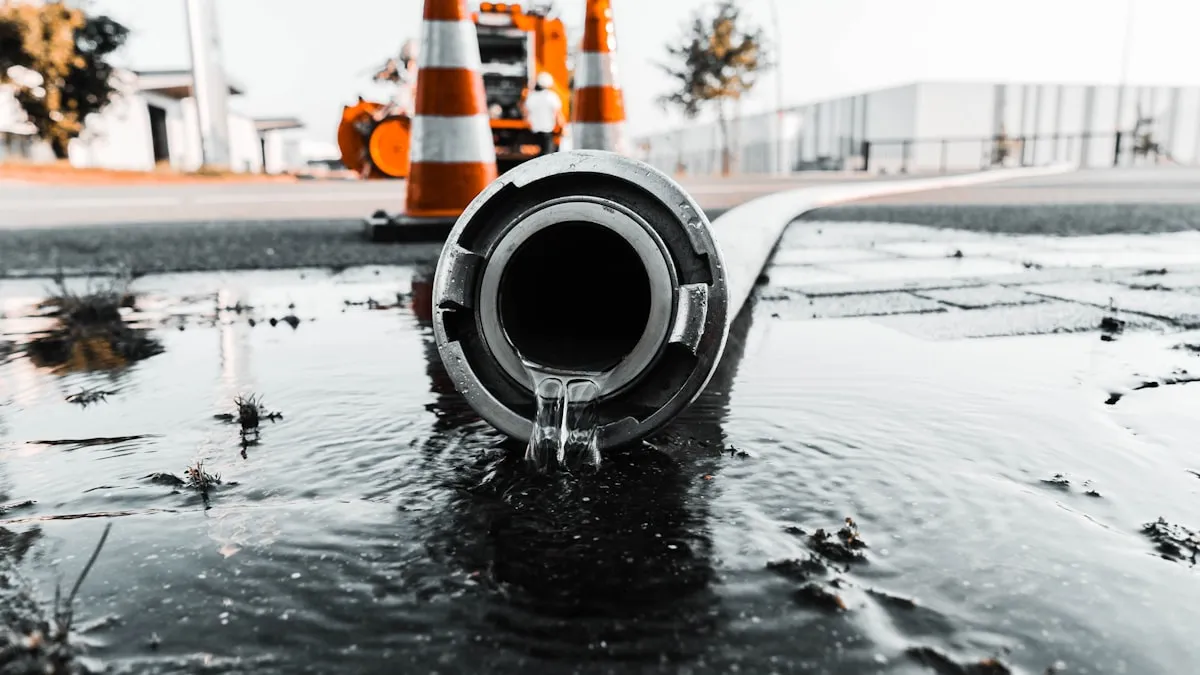
Water Loss Through Leakage Is a Silent Global Crisis.
An estimated 45 million cubic metres of water are lost daily through leaks in water distribution systems worldwide, enough to serve nearly 200 million people.
World Bank
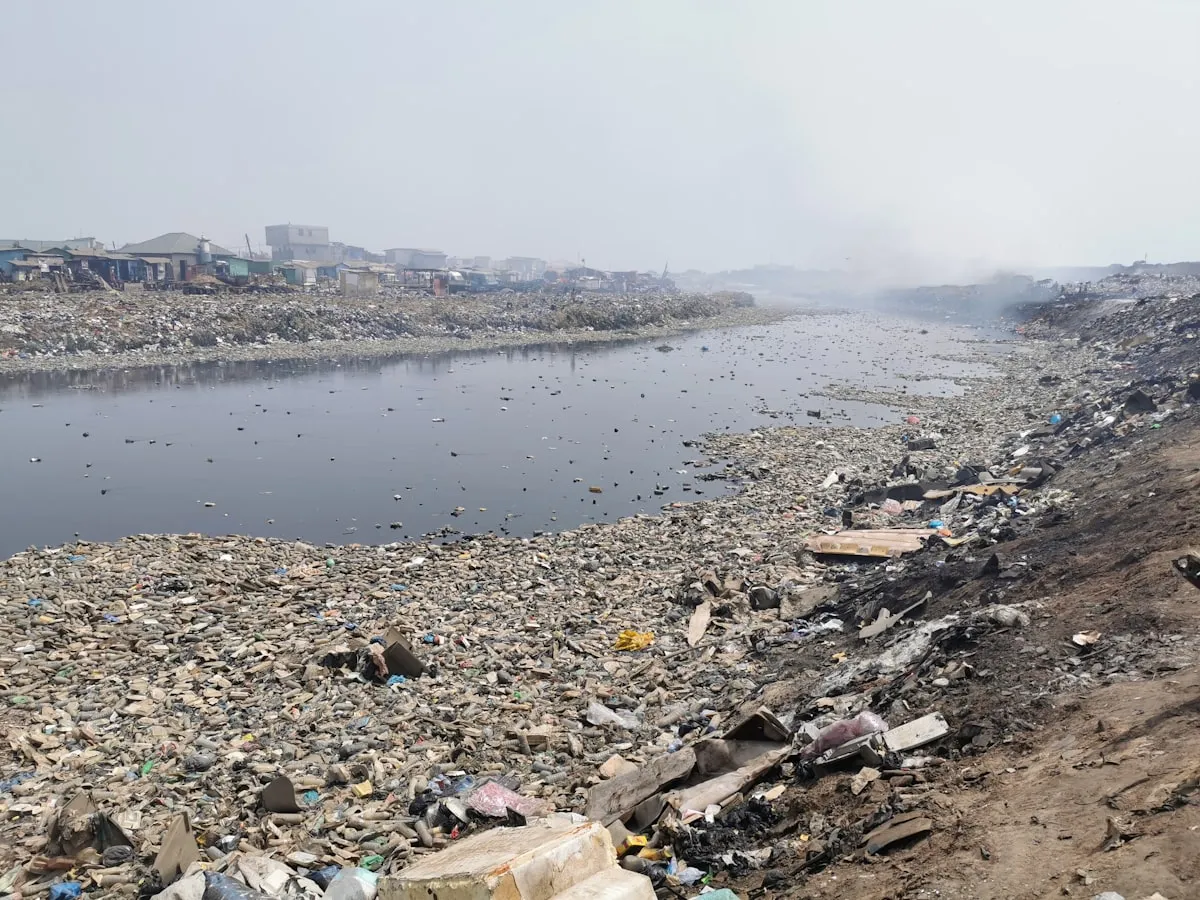
The Fashion Industry Is One of the Largest Water Polluters.
Textile dyeing is the second-largest polluter of water globally, and a single pair of jeans can require 7,500 litres of water to produce.
UNEP
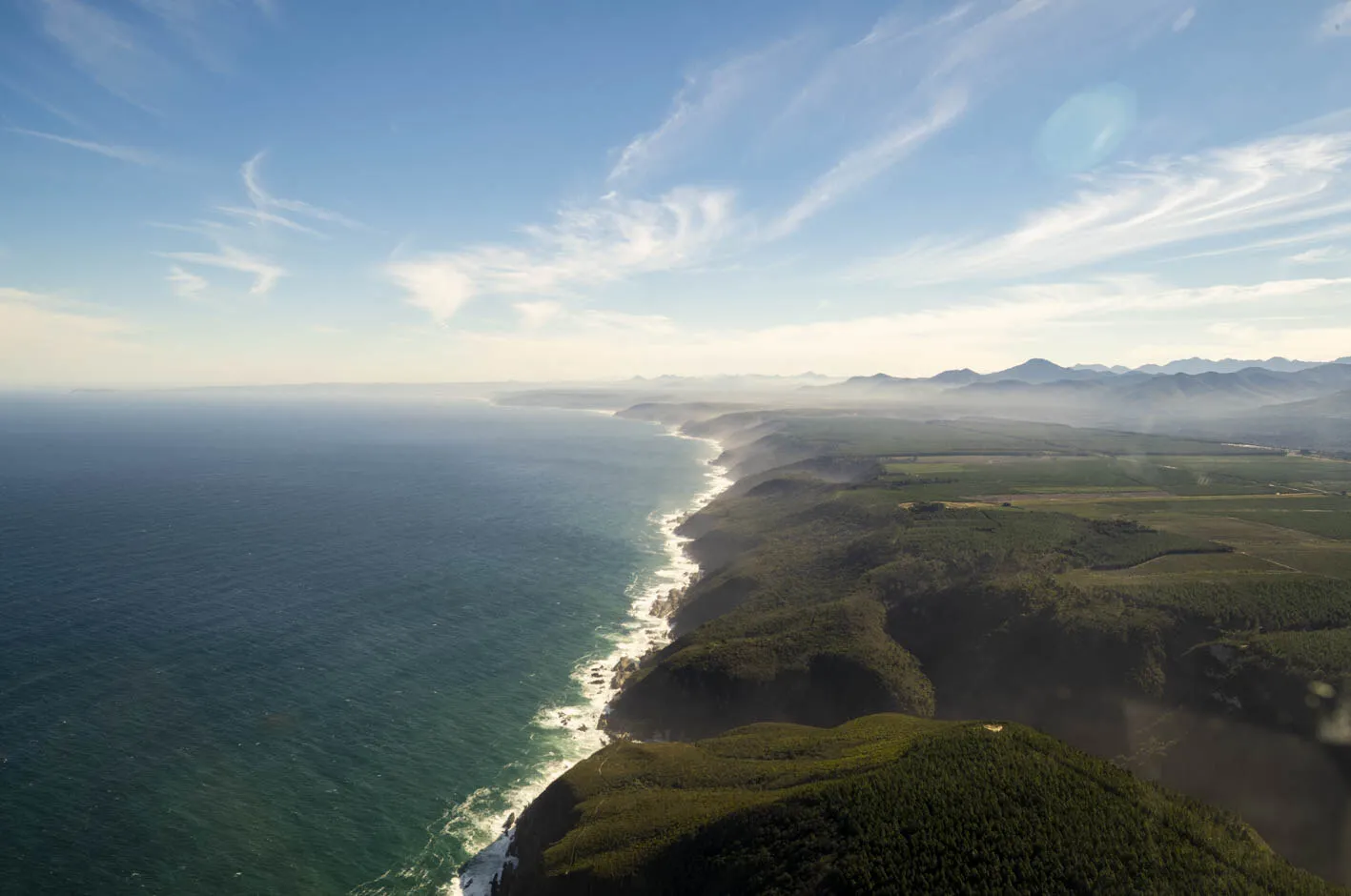
Photo © Florian Wagner Some Countries Import Water by Importing Energy.
Water-scarce countries like the UAE and Saudi Arabia import electricity and fuels to reduce the need for local water-intensive power generation, effectively importing water in the form of energy.

Food Waste Is Also Water Waste.
About a third of the food produced today is not eaten, some 1.3 billion tonnes a year. FAO puts the blue water footprint of that wastage at about 250 cubic kilometres, which is almost three times the volume of Lake Geneva, or the annual water discharge of the Volga River.
FAO, 2013
What Is Already Shifting
The parts of the system that have already moved, and the places where it has failed.
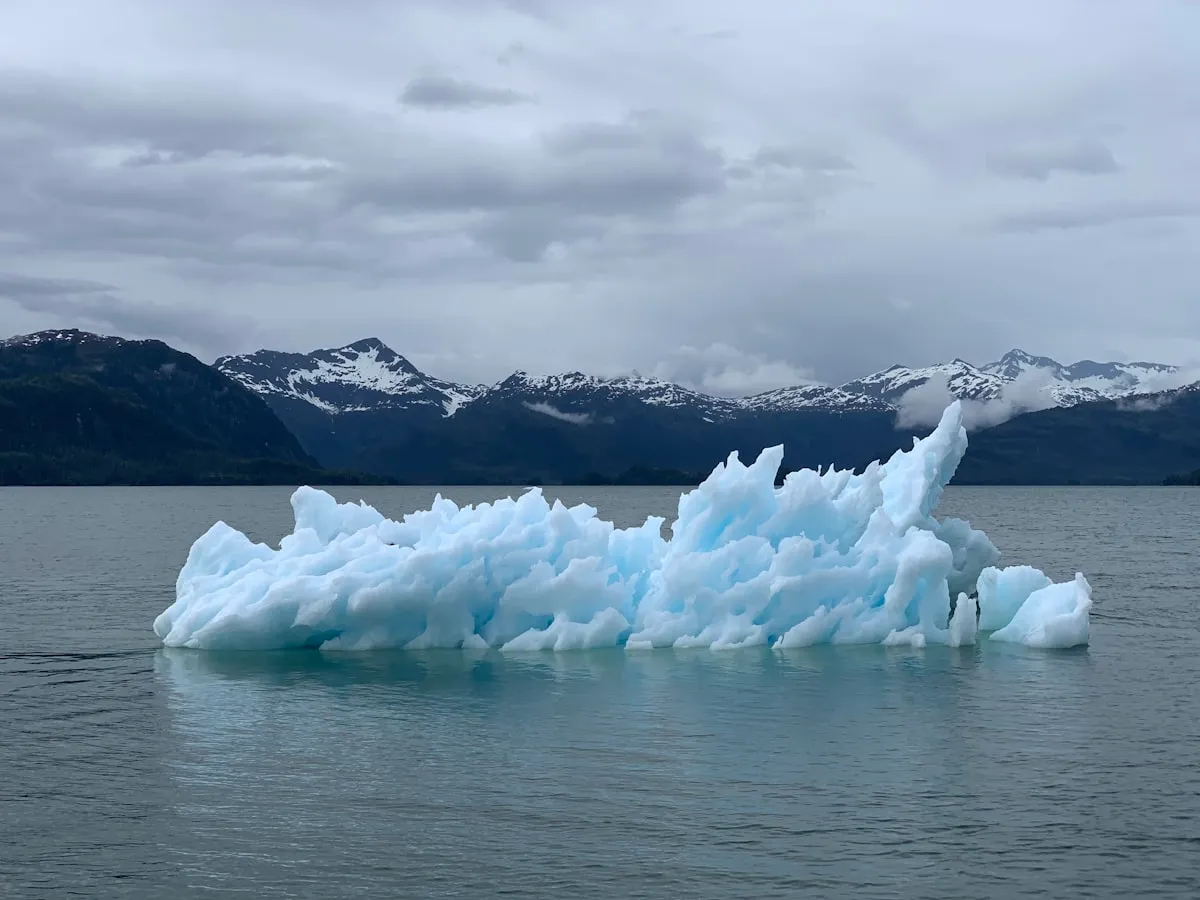
Melting Glaciers Can Temporarily Increase Water Supply, Then Cause Collapse.
In regions like the Andes, Himalayas, and Alps, glacier melt has increased river flows, but once glaciers vanish, long-term water availability drops sharply.
IPCC
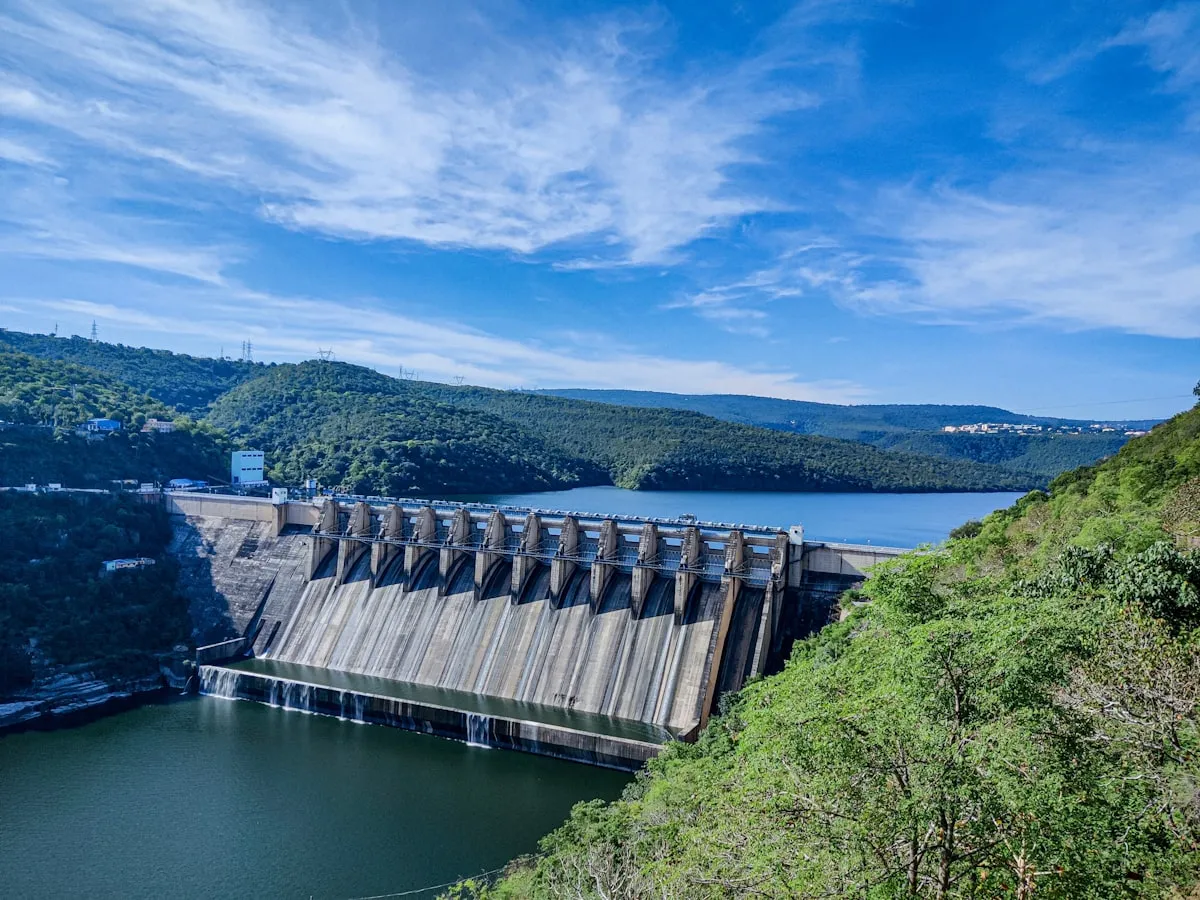
Dams Cause Both Water Abundance and Scarcity.
While dams generate power and store water, they also disrupt ecosystems, displace millions, and reduce downstream flow, sometimes exacerbating scarcity.
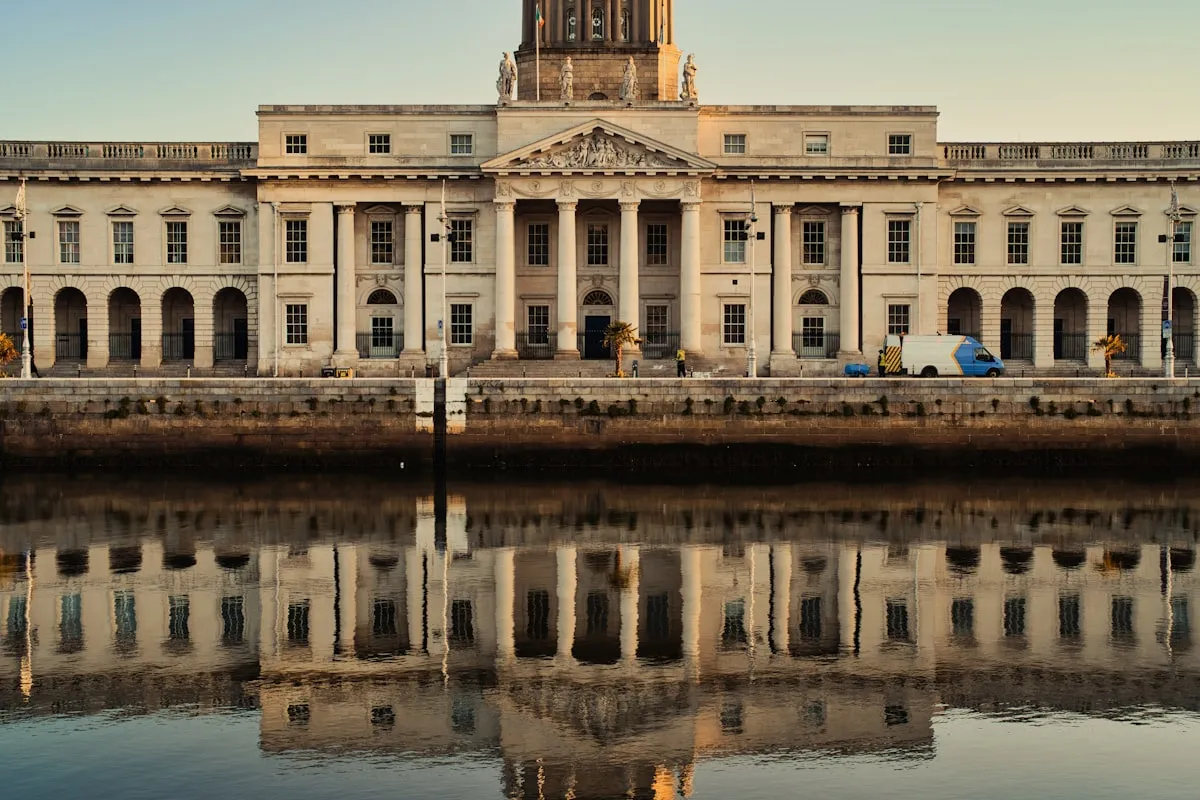
Water Scarcity Is Rarely About Physical Shortage.
Countries like India and Brazil have abundant freshwater resources but suffer from severe water stress due to mismanagement and pollution.
FAO
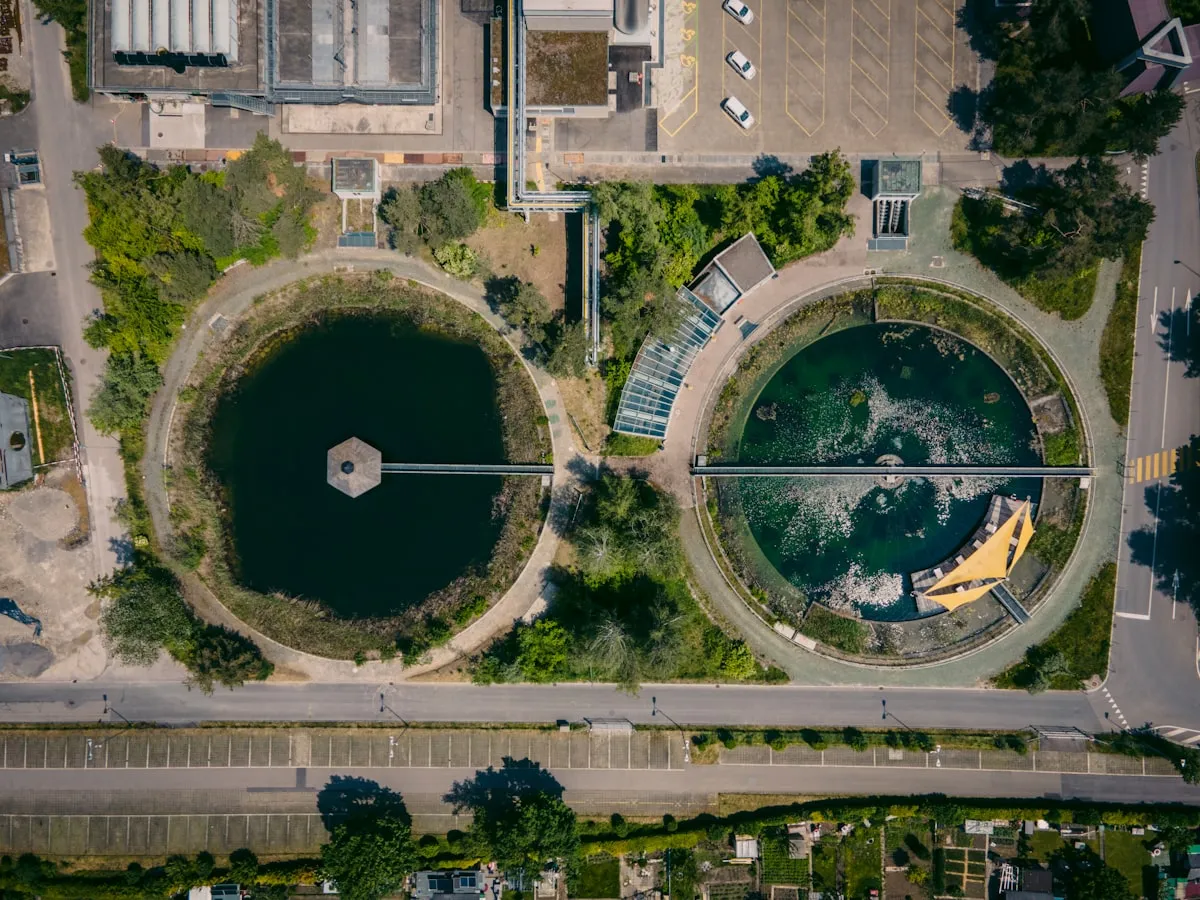
Cities Are More Water-Vulnerable Than Rural Areas.
Centralised urban systems can collapse rapidly under stress, as shown by Cape Town's Day Zero crisis.
The Guardian, 2018
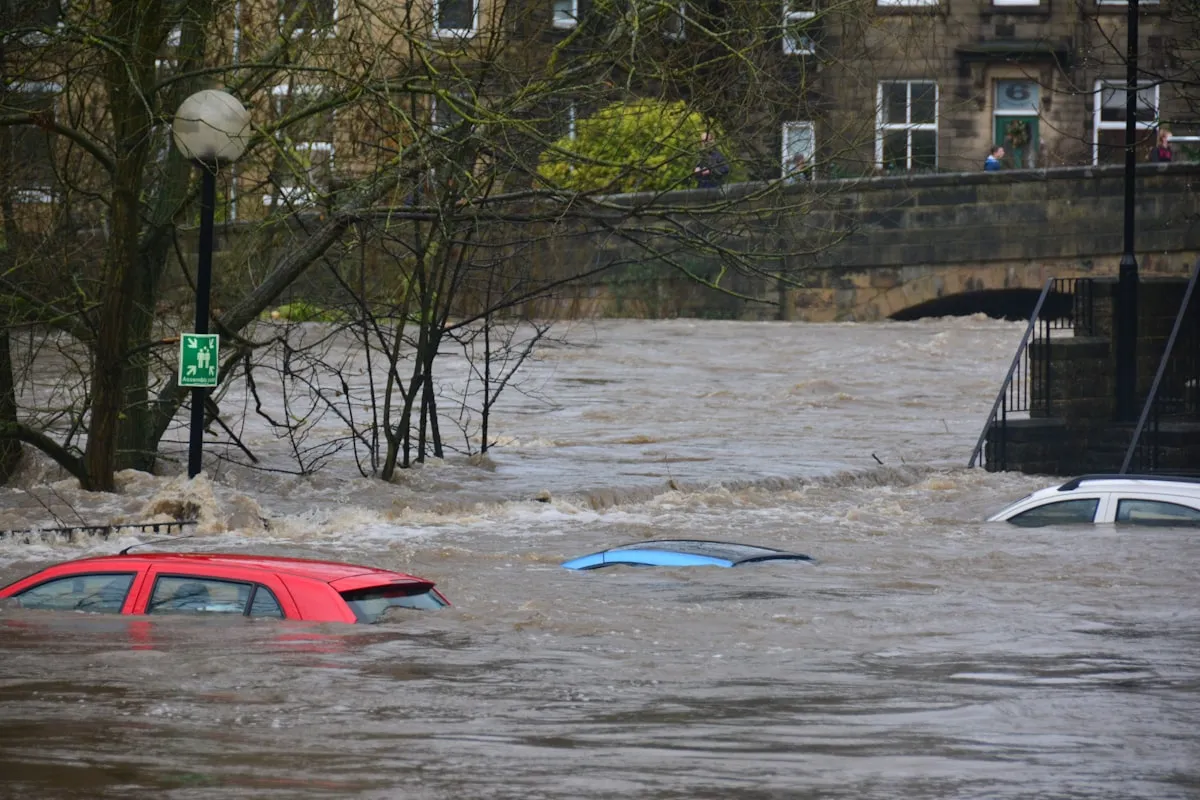
Water-Related Disasters Account for Over 90% of All Natural Disasters.
Floods, droughts, and storms make up the vast majority of climate-related disasters worldwide, affecting billions and causing trillions in damages.
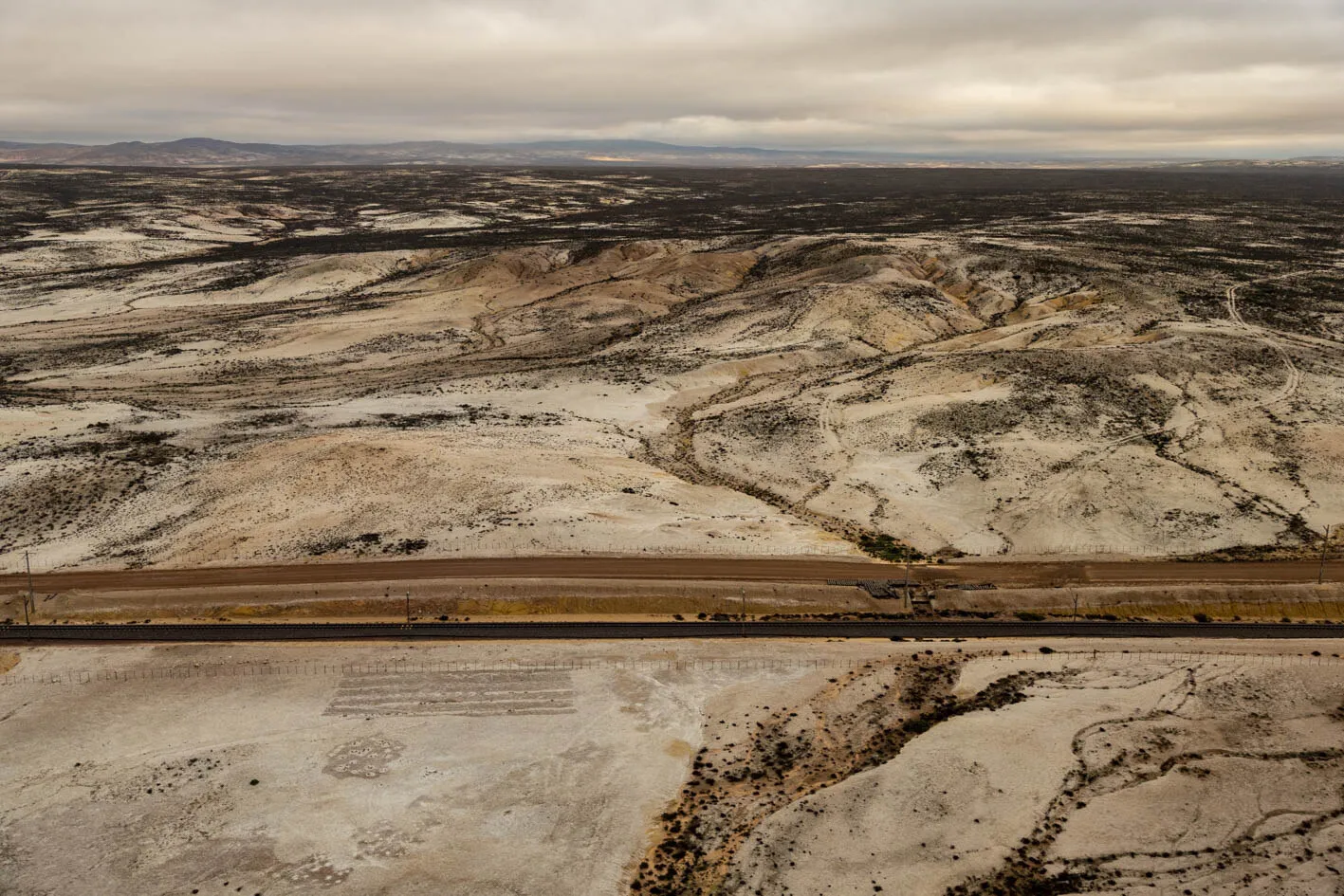
Photo © Florian Wagner 21 of the World's 37 Largest Aquifers Are Being Depleted Faster Than They Can Be Replenished.
Of the 21, 13 are classed as significantly distressed.
Richey et al., Water Resources Research, 2015; NASA Jet Propulsion Laboratory, 2015
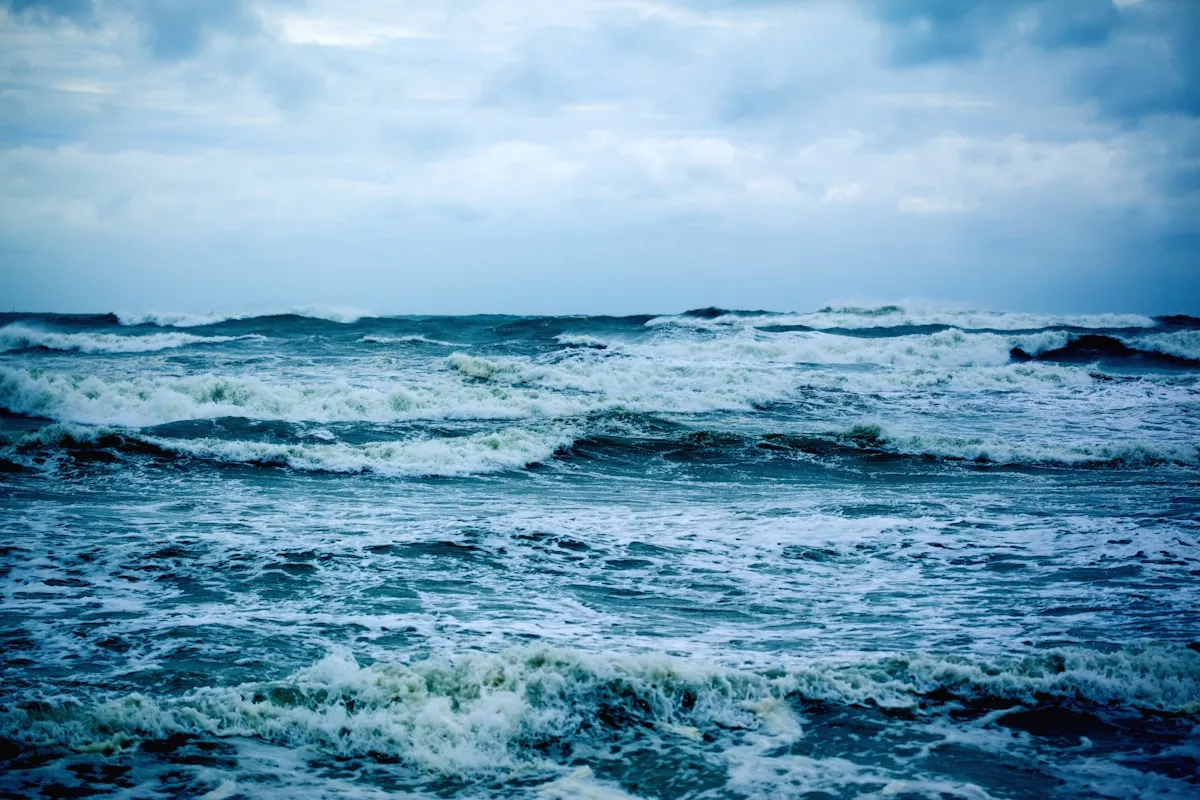
The Ocean Is Getting Fresher in Some Regions and Saltier in Others.
Climate change and melting ice caps are redistributing salinity in the oceans, creating new water-related climate feedback loops that could impact global weather patterns and marine ecosystems.
What Can Be Done
Treatment, reuse and desalination, where the engineering is done, and how far back it goes.
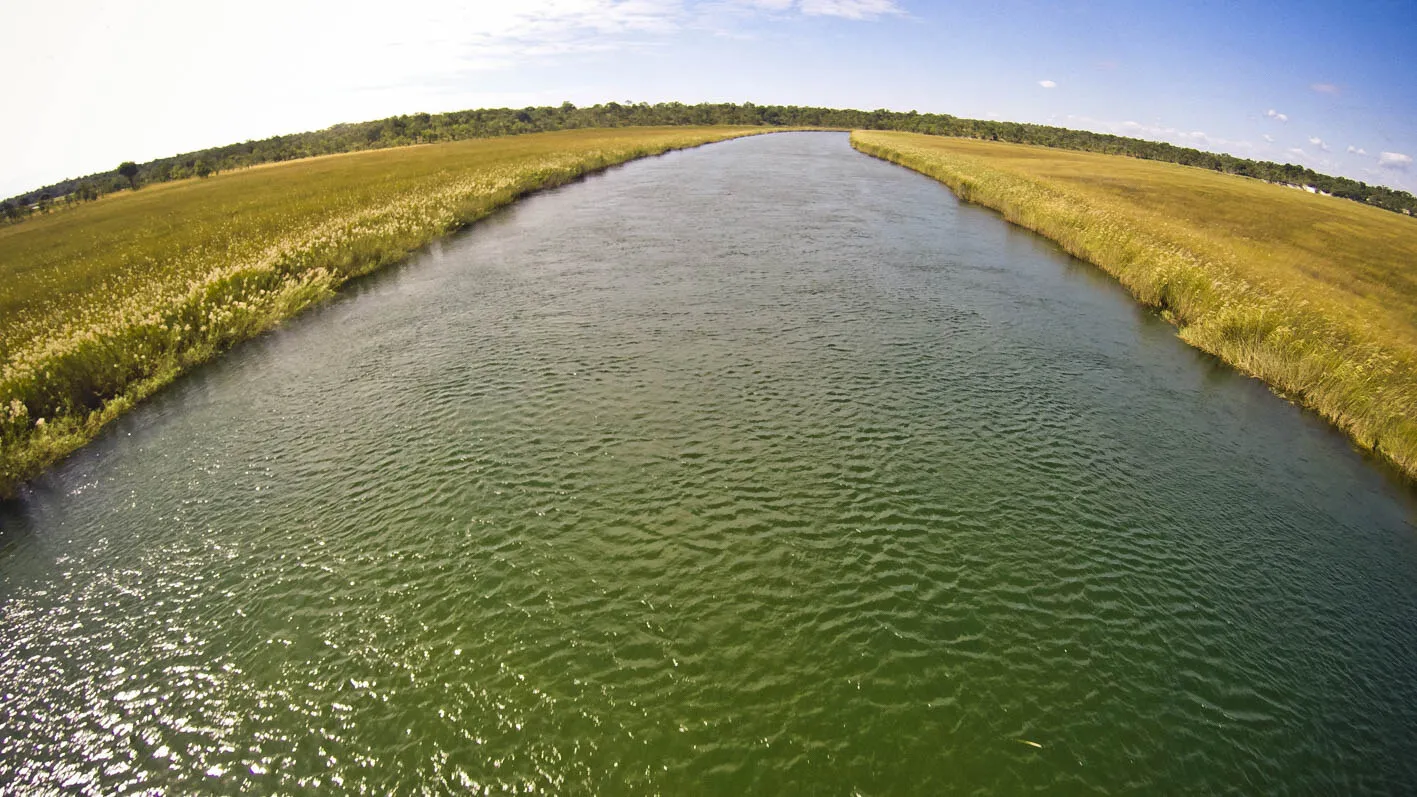
Photo © Florian Wagner Wastewater Is Often More Valuable Than the Freshwater It Replaces.
Properly treated wastewater can supply water, recover nutrients, and even generate energy, making it a circular economy powerhouse.
UNESCO, 2017
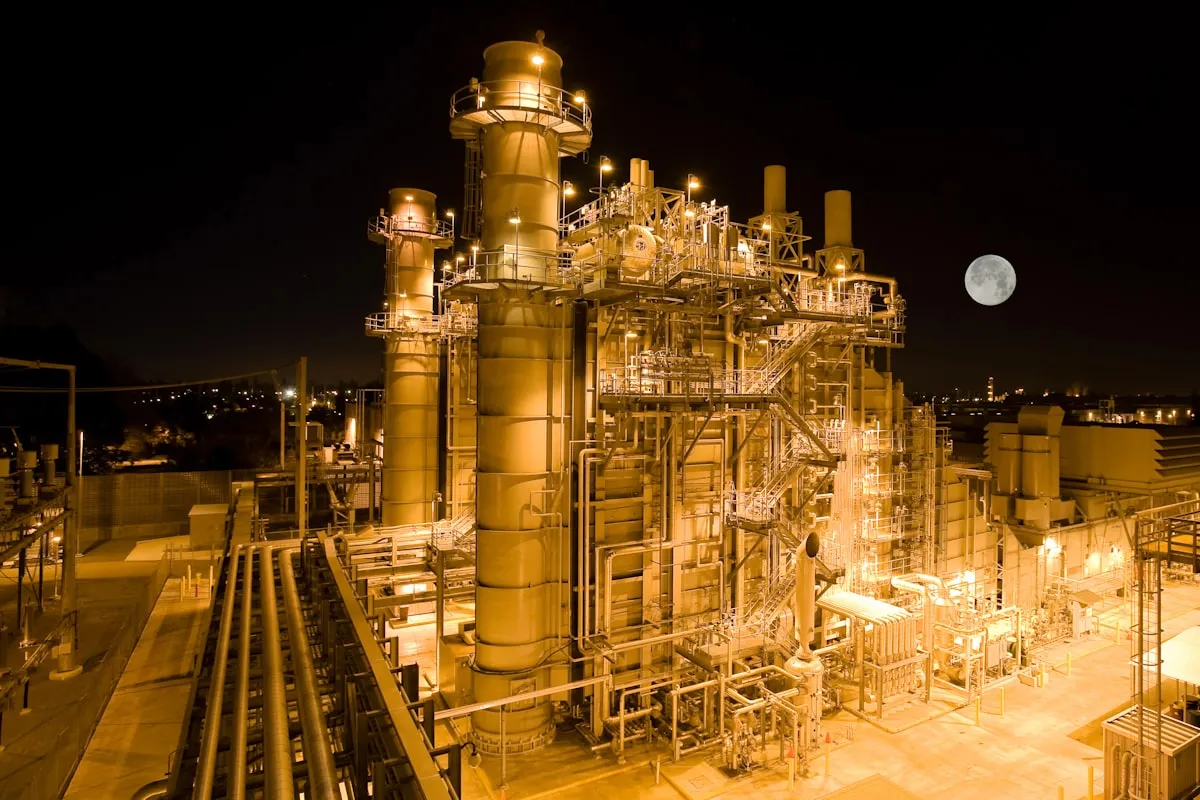
Desalination Is Growing Fast but Not Without Cost.
Over 300 million people depend on desalinated water, but it is energy-intensive and produces toxic brine.
Nature
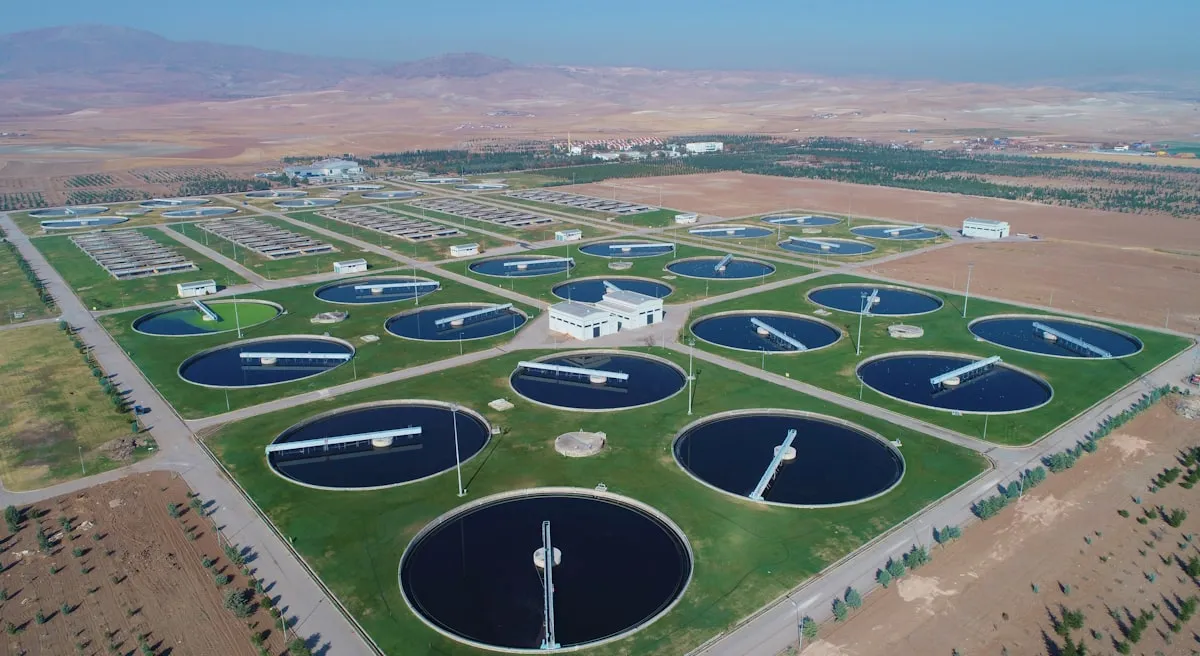
Most Innovation Happens Far From Where It Is Needed.
Most watertech patents come from Europe and North America, while the greatest need is in South Asia, Africa, and the MENA region.
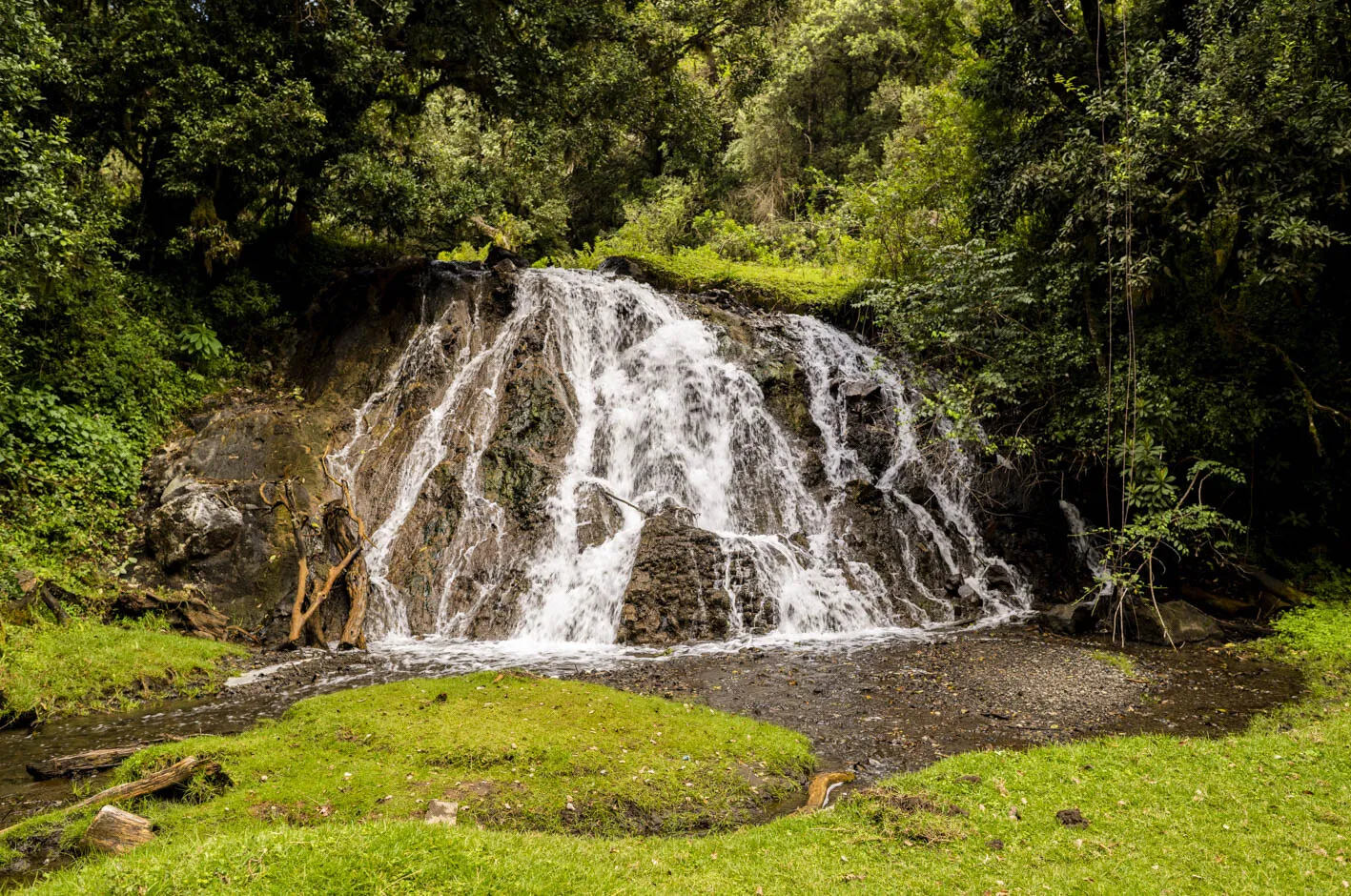
Photo © Florian Wagner Chlorination of Water, a Public Health Revolution, Is Only About 120 Years Old.
CDC dates routine disinfection of a community drinking water supply in the United States to 1908, when Jersey City began it, and thousands of cities and towns followed within the decade. Typhoid fever fell from about 100 cases per 100,000 people in 1900 to 33.8 by 1920.
Centers for Disease Control and Prevention, 2012
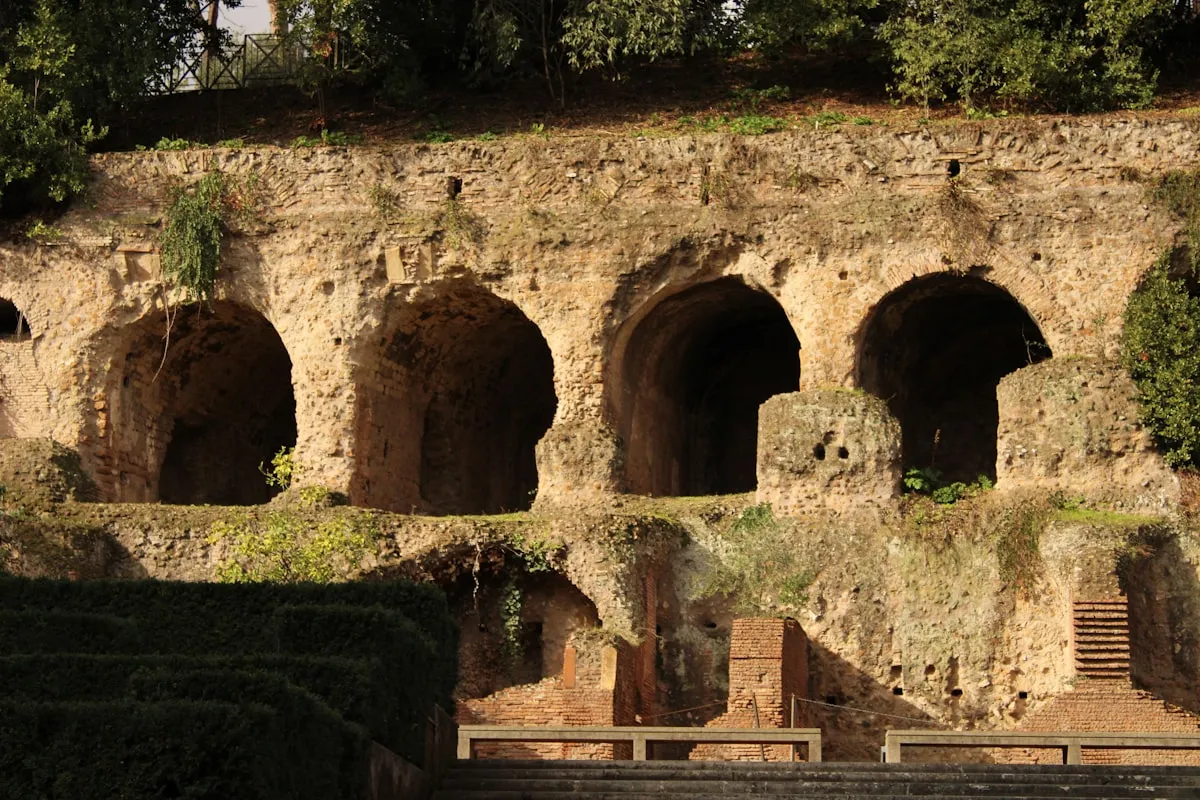
Some of the Oldest Functioning Water Infrastructure Is Roman.
Several Roman aqueducts and water systems, such as the Pont du Gard in France, still function or have inspired modern systems over 2,000 years later, showcasing the engineering prowess of ancient Rome.
What It Means for Capital
Water as a market: what is priced, what is not, and what is missing from it.
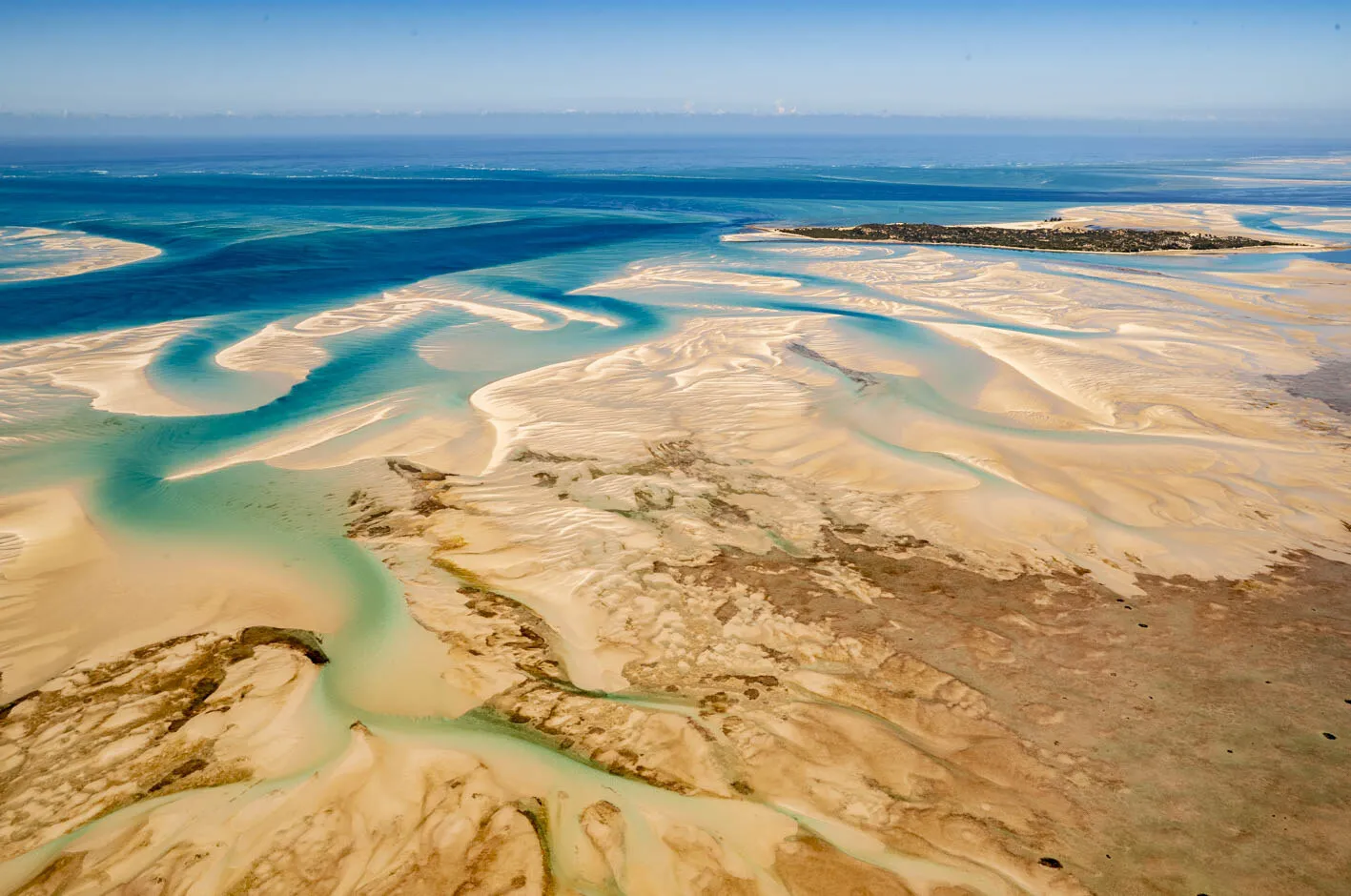
Photo © Florian Wagner Water Is One of the Few Essential Sectors Without a Global Capital Stack.
Energy has oil markets. Tech has venture capital. Water, the most fundamental input to life and economy, still lacks coordinated early-stage capital or infrastructure buy-in.
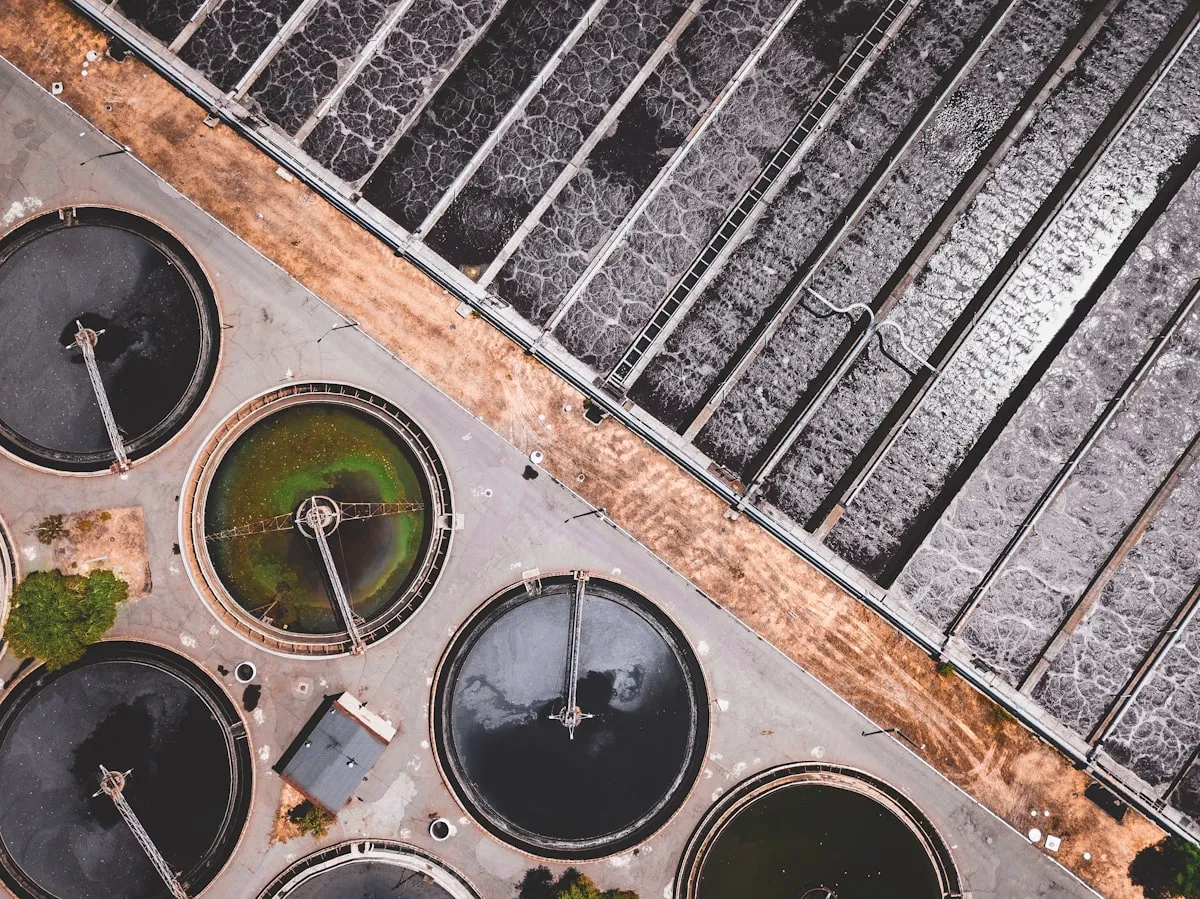
The Best-Performing Assets of the Next 20 Years May Not Be Digital: They May Be Fluid.
As scarcity accelerates, access to water technology, treatment IP, and resilient supply chains will become a geopolitical asset class.
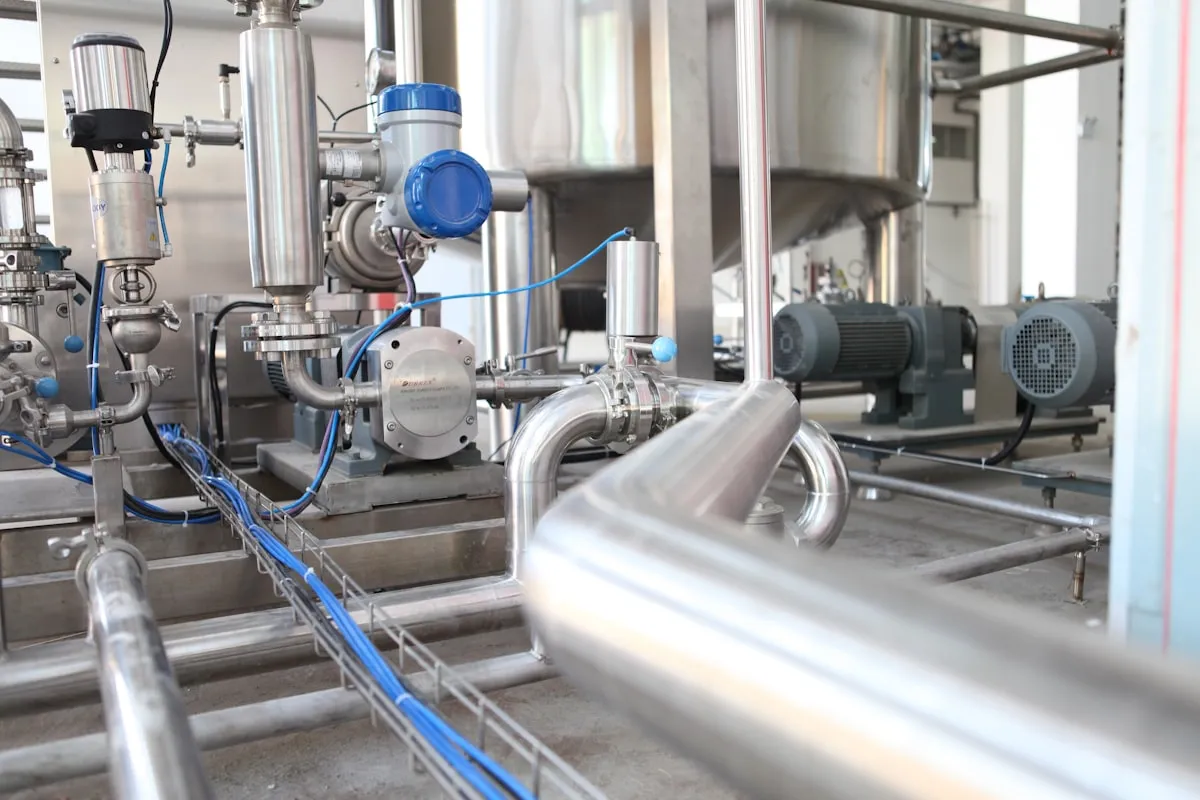
You Can't Decarbonise Without Water.
From hydrogen to battery production, green steel to data centres, the entire climate transition is water-intensive.
Water Is the Only Commodity That Can't Be Substituted.
You can replace fossil fuels. You can switch food crops. But there is no substitute for water.
Photo © Florian Wagner Investors Are Missing Out on the Single Most Infrastructure-Ready SDG.
Water systems are shovel-ready, commercially viable, and universally needed. The pipeline exists; the capital doesn't.
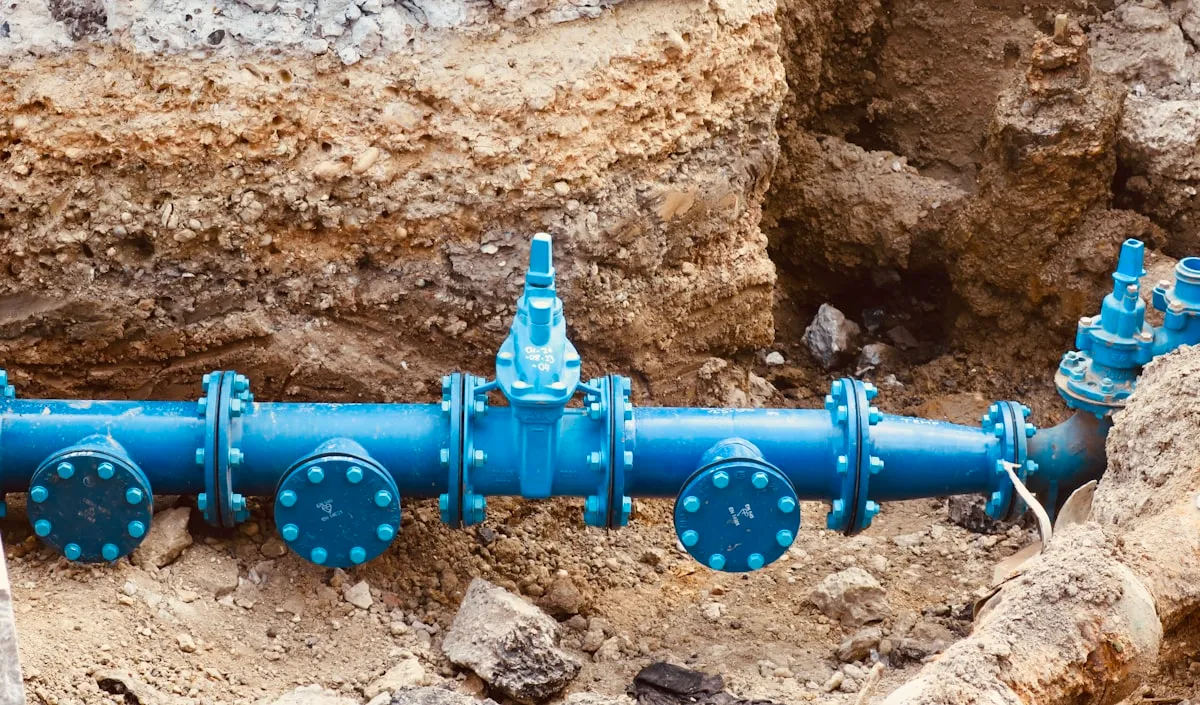
The Water Market Isn't Small, It's Fragmented.
Water is a $800B+ global sector, but most businesses are small, public, or undercapitalised.
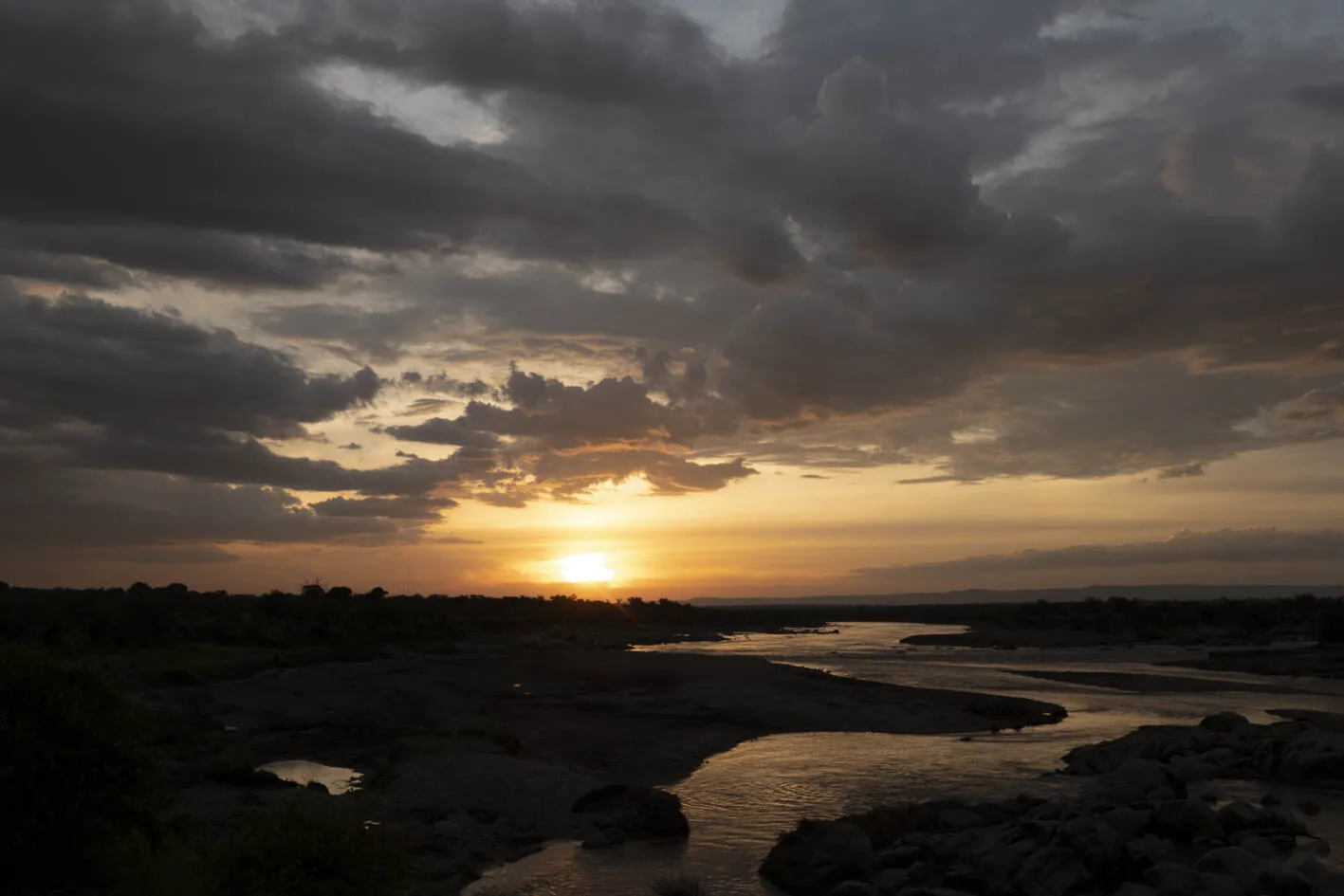
Photo © Florian Wagner Resilience Pays Better Than Disruption.
While tech chases the next break, investing in water means building what's unbreakable.
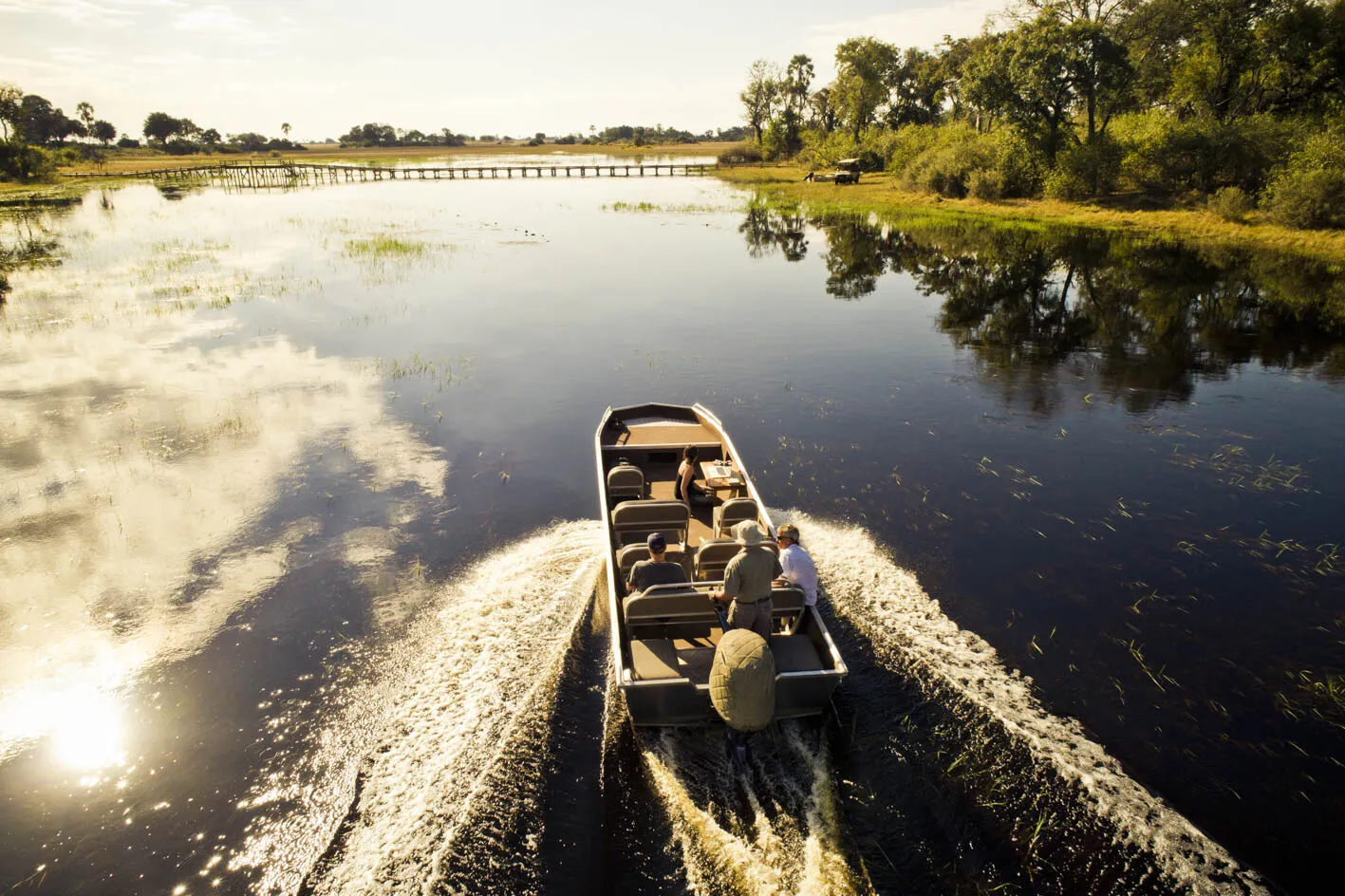
Photo © Florian Wagner The Next Unicorns May Flow, Not Code.
As risk, regulation, and need converge, the first $10B watertech company will emerge, and smart capital will be there early.
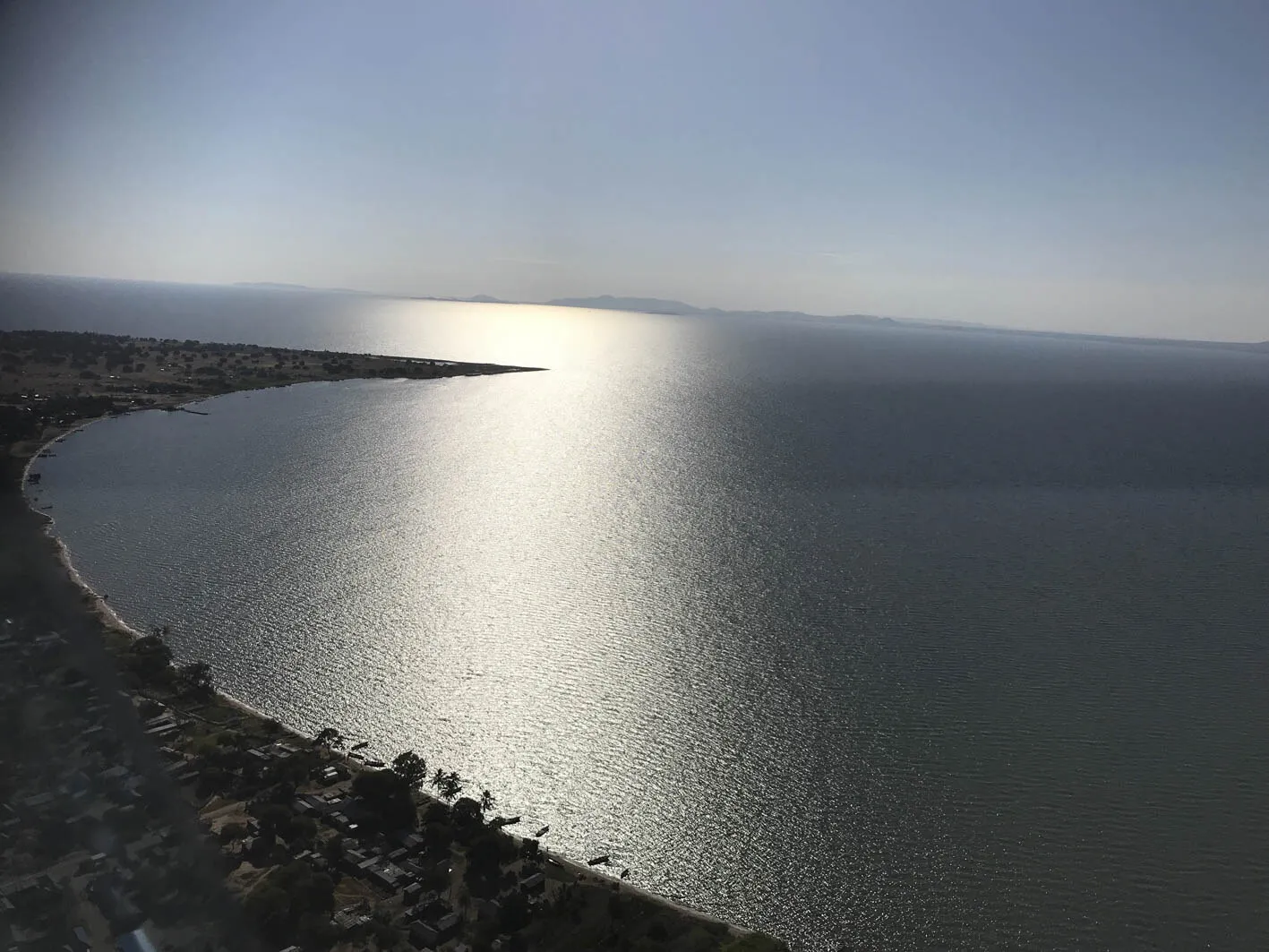
Photo © Florian Wagner Water Has No Global Price, but Its Value Is Rising Fast.
Despite its essential nature, water isn't priced in any coordinated global system, yet water rights are now traded on futures markets, such as California's Nasdaq Veles Index.
Bloomberg, 2020
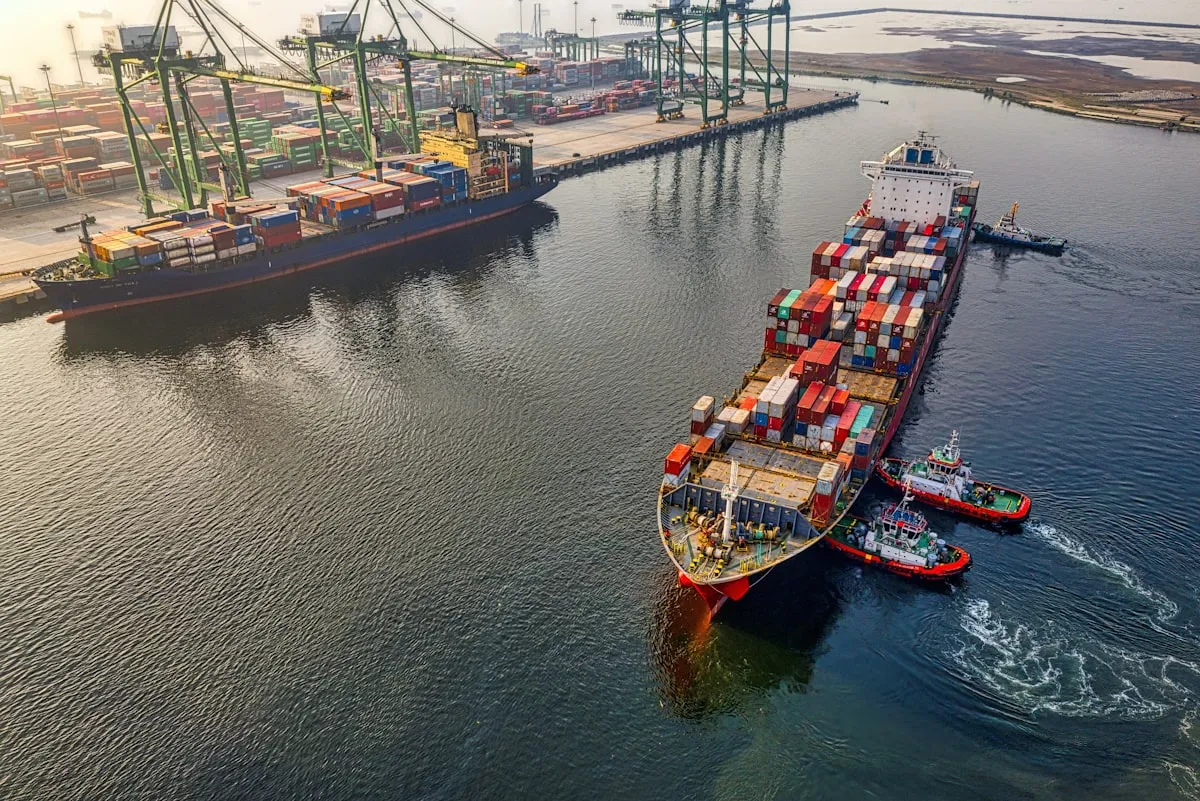
Water Is Heavier Than Oil, and Often More Expensive.
A litre of water weighs about 1 kg, while a litre of crude oil weighs about 0.8 to 0.9 kg. Bottled water is frequently more expensive than petrol in many regions.
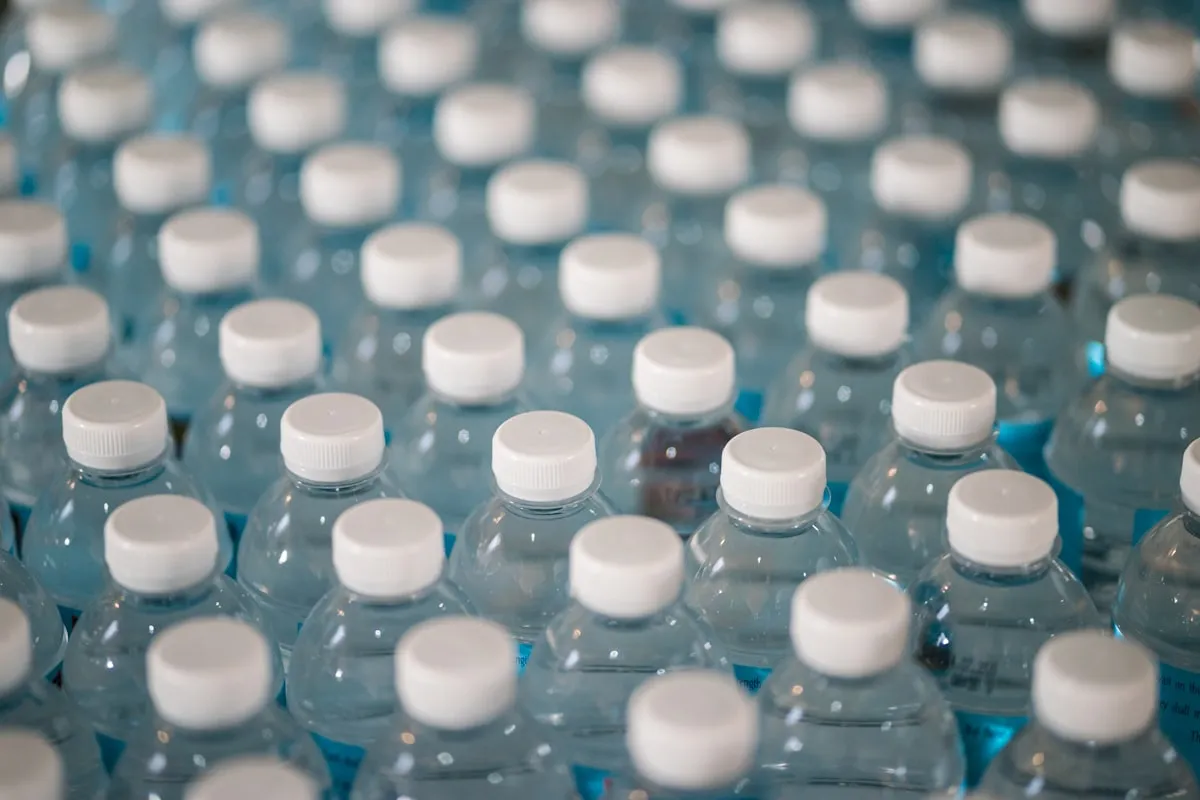
Global Bottled Water Consumption Is Now Greater Than All Beverages Except Tea.
Bottled water has overtaken carbonated soft drinks in many markets and is projected to reach $500 billion in value by 2030. It is one of the fastest-growing beverage categories worldwide.
Fortune Business Insights
What the Facts Add Up To
We build an ecosystem that addresses one of the least appreciated challenges of our time: water scarcity and impending degradation of our water systems.
Partner with us